
U.S. House Republicans passed the Safeguard American Voter Eligibility (SAVE) Act on April 10, a bill that would eliminate mail-in and online voter registration, add additional requirements for documentation when registering, and end voter registration drives or automatic state voter registration programs. The Senate has yet to consider the bill.
Currently, U.S. federal law dictates that only American citizens are allowed to vote in elections, and all states also have the requirement of citizenship on their voter registration forms. The SAVE Act would require either birth certificates or passports as proof of citizenship while registering.
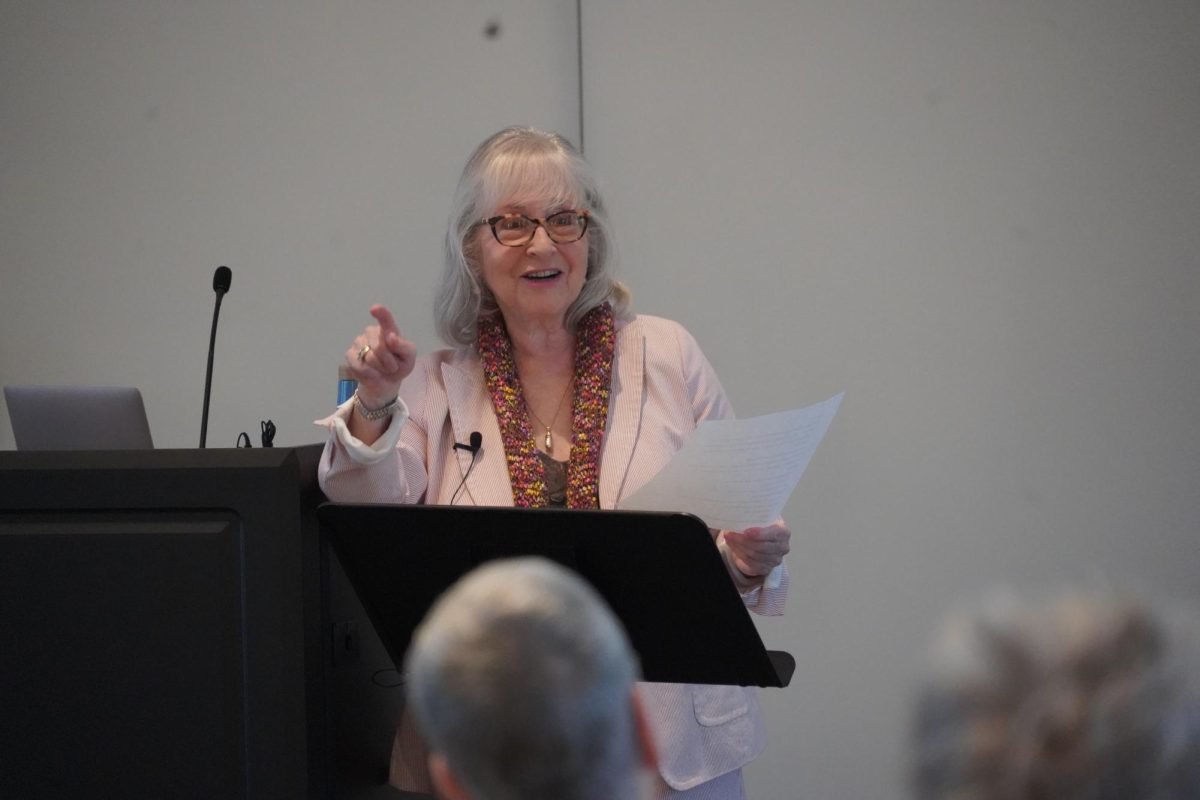
“It really endangers voting for a lot of Americans,” League of Women Voters Edina (LWVE) President Colleen Feige said. “About 50% of people in America have a different name on their [birth] certificate: married women, transgender people, there are lots of different situations. You could use a passport, but 50% of Americans don’t have passports.”
Certain groups of Americans in particular are less likely to have access to documentation, including the elderly, young voters, Native Americans, and married or transgender people whose current names might not reflect their birth certificates. Additionally, indigenous people living in remote areas would often have to travel over 100 miles to reach the nearest election office and register.
“It’s completely anathema to the Republicans’ claim of small government,” Cultural Geography and AP African American Studies teacher Courtney Major said. “This is ‘big government,’ but it’s ‘big government’ that’s intended to marginalize people and restrict access.”
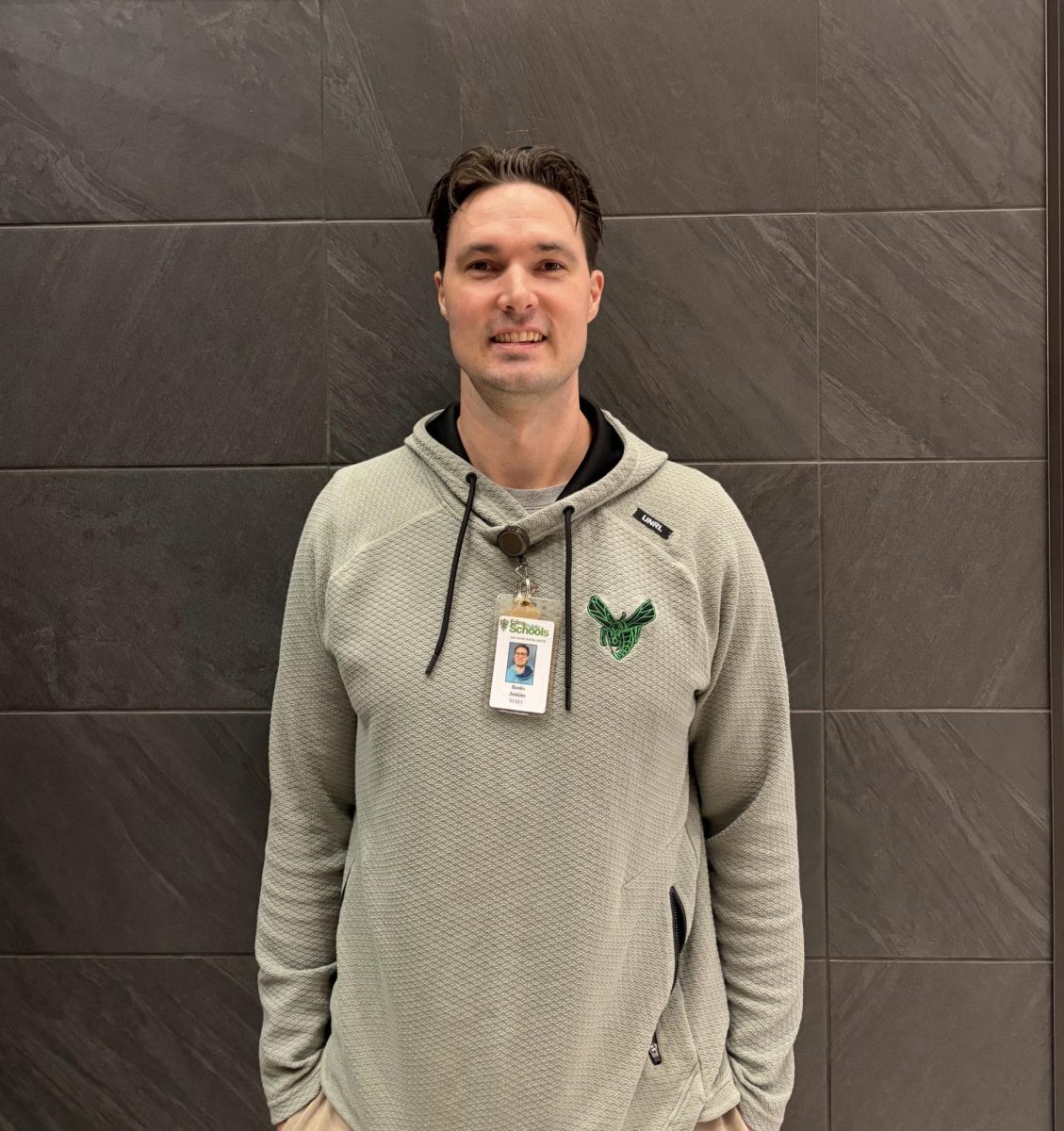
Although House Republicans were the chief advocates for the SAVE Act, it would affect Republicans the most. Red states have especially low rates of passport ownership, and research shows conservative women are twice as likely to change their last name. Despite its effect on conservative voters, U.S. History and AP U.S. History teacher Erik Anderson says the new bill is just part of a long Republican trend of establishing voting requirements.
“The states that have required Voter ID have been more conservative states, so this is not one from this administration that surprises me,” he said. “What’s different about this administration is that they’re willing to say, ‘We know this has traditionally been a state thing, but now we’re going to push in.’ States’ rights used to be much more of a Republican value.”
The SAVE Act would also prevent people from registering at voter registration drives or tabling, as most don’t have their birth certificates on hand. LWVE frequently tables at Edina High School events, and, according to Feige, they registered or preregistered around 80 students at this year’s Get Connected Day on Aug. 21. Major believes inhibiting easy student registration is undemocratic, especially in Minnesota, where students under 18 can preregister.
“Isn’t it our job [as educators] to make sure the students we teach can participate fully and with integrity in our democratic system?” Major asked.
The primary reason for the SAVE Act, according to bill author Rep. Chip Roy, is to prevent undocumented immigrants from voting in federal elections. However, research indicates that this may not be an issue. “There is some creation within the media of the idea that we have vast numbers of undocumented people voting,” Anderson said, “but most studies have yet to turn out any real large-scale instances.”
Indeed, NPR reports that around 0.0001% of voters are suspected to be undocumented. “There is no crisis of voting. This is one of those political tools that’s been made up by those who are currently in power to create a ‘problem’ and then solve it,” Major said. “The Save Act is a Trojan Horse of disenfranchisement.”
The answer to whether the SAVE Act will pass the Senate is debatable, as it is narrowly split with a Republican majority, and it’s likely senators in close races won’t want to support a controversial bill prior to their 2026 midterm election campaign. “In theory, they can get that passed, but there are swing voters even on the Republican side,” Anderson said.
Should the bill pass, the legislation is likely to face major lawsuits, especially from states challenging the constitutionality of its provisions in court.
“It’s a new federal presence in elections, and you’ll see lawsuits from states pushing back on that,” Anderson said. “It’ll go through many court challenges; we have a major midterm election coming up next fall, so it would probably be a race to see which provisions of the law are upheld in the courts. From there, it would depend on how states choose to enforce those laws.”
As for Edina residents, Feige urged community members to call their senators in opposition to the bill. She recommended the app 5 Calls, which gives the user their state senators’ contact information and allows them to leave a message.
“I wish people would keep in mind how localized voting is,” Anderson said. “In Edina, we have something like 19 different [voting] precincts, and it’s people who live in your city and your neighborhoods that run them: election judges coming from both political parties. I just wish people would realize when they make allegations of widespread voter fraud; these are our neighbors. These are our friends. These are our community members.”