Steep gray cliffs rose in slabs, splitting at a jagged rift where a river rushed through. Sparse, spiny plants broke stubbornly through cracks in the stone, and below, flashes of girthy brown fish glinted in the churning current.
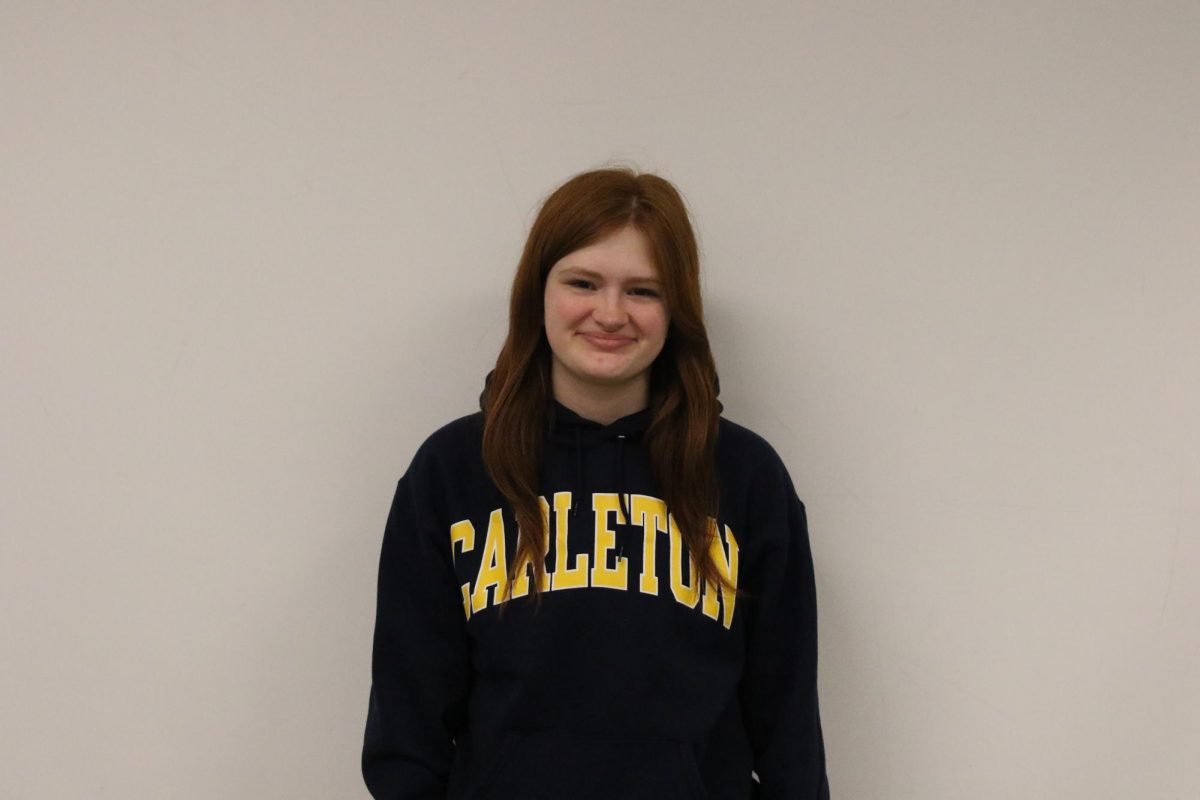
Karissa Cheng stood at the edge, looking down.
There was a catch in her lungs as she inhaled the rising cool damp air and watched the tails flick over the foaming water: a sort of guilt. And almost as if it had known her thoughts, it arrived.
It had launched out of the water and flopped in front of her with no grace: a largemouth bass of perhaps five feet, propping itself up on only the two front fins. It was almost comically large for a fish, a person-sized marine being that was fat, briny, and seemingly, on its unfeeling fish face, displaying an accusatory glare.
The reason for its appearance could be found at Kura Sushi, where Karissa had eaten a dozen pieces from their conveyor belt: the golden crunchy roll, spider roll, and nigiri, amongst others.
“It’s probably justified for the fish to eat me,” she thought. “I’ve eaten so many fish.”
It was at that moment that Karissa awoke, and then she closed her eyes, and in that darkness, she saw the fish again.
If Karissa’s nature were to be described from this nightmare of hers alone, one could imagine her exhaustive kindness and care for the world around her. It’s not unusual to hear from our beloved managing editor deep anxiety over the heating of the oceans, or the destruction of the reefs, or another pervasive global issue Edina High School students regrettably cannot resolve, even through the dutiful recycling of mostly-empty Bubbl’r cans.
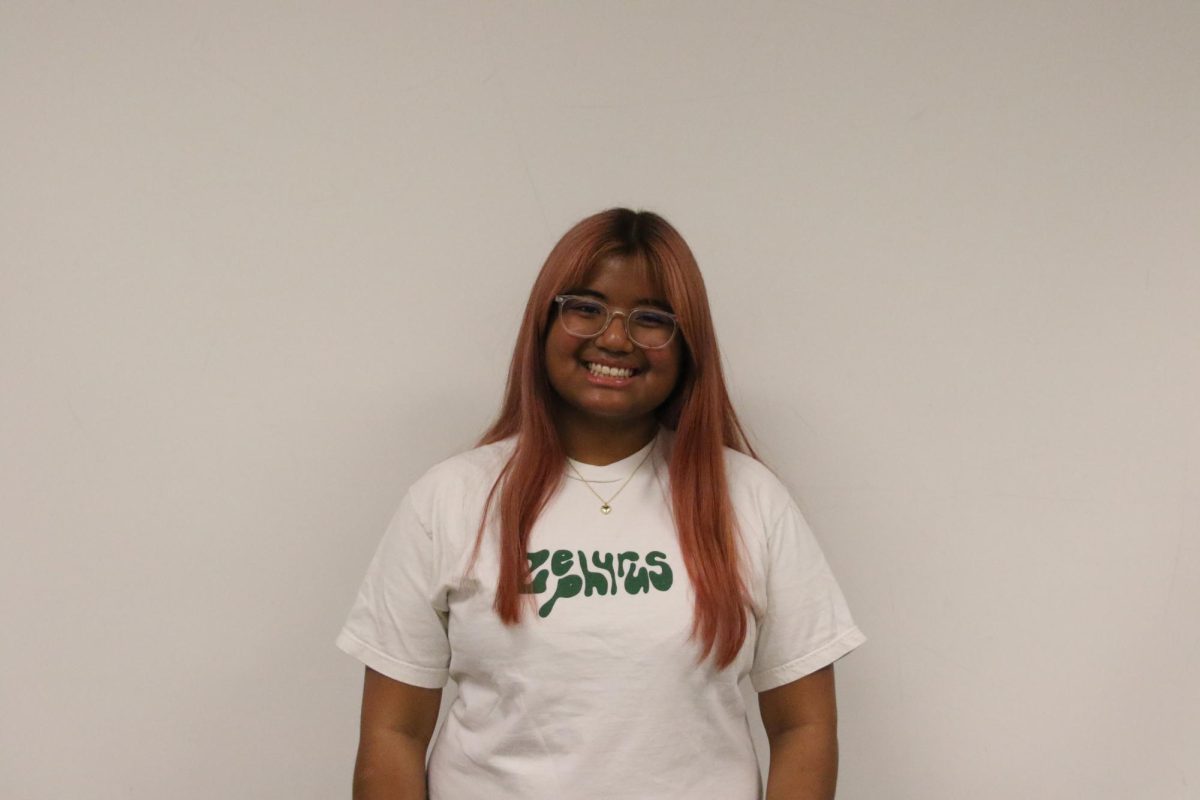
But the incoming economics-anthropology double major at Yale University doesn’t just spend her time worrying; she also swims for the swim team, plays piano, captains the Edina Model UN team, TAs for history teacher Tess Kingsbury, is literacy lead co-chair for the Edina Education Fund, and chairs the Edina Reads Creative Writing Committee. As Karissa, an English lover (and former copy editor!) might say, you’d be using the figurative device of understatement to call her busy.
To the people honored to call themselves close to Karissa, such as the writer of this piece, she is charming, empathetic, and riotously funny, yet in all practical matters quite sensible, comparable only to a shining beacon or unwavering pillar of virtue. But when she joined Zephyrus freshman year after seeing a recruitment video in her eighth grade English class (that truthfully advertised the publication as some kids having fun in spinny chairs), Karissa had no friends.
“One day, I was sitting by myself, and Lynn-Clara came up to me and said, ‘Why are you sitting alone? This is a bad look for you,’ and we sat together and then we became friends. That was really sweet, and that’s something I think about a lot and try to emulate,” Karissa said. “I want to be the person who makes people feel comfortable, like they can come out of their shell.”
And that she is. It would be remiss to write an article about Karissa and not mention her devoted focus to recognizing and empathizing with the humanity within others. Her deep reflection on the world, which obviously spans more than fish abuse, serves as the impetus for equally thoughtful and intentional actions.
As managing editor, Karissa worked tirelessly in the weeds (we could say in the trenches… or might we say seaweed?) of Zephyrus. Not only did she check in consistently on staff wellbeing and articles, she was willing to help each and every writer with the small components that accumulate to make a great article, whether fleshing out the perfect angle for an in-depth or finding a better source for an opinion.
“Most of all, I love checking in with people and getting to know them,” Karissa said. “I learned so many skills by working with everyone all the time through osmosis because everyone is an expert in something different and unique.”
That love for learning the stories and histories behind different people and communities is reflected in her double major, from which she seeks to learn how economic thinking is represented in different cultures.
“My favorite class was AP World History sophomore year with Mr. Sigmund because even though the content is still probably influenced by a Eurocentric perspective, it was more global than I had ever learned and made me really interested in filling in historically marginalized perspectives and narratives in history,” she said. “Being able to apply that global mindset to AP U.S. History afterward was really instrumental in the formation of my academic interests.”
Although Karissa’s time as staff writer could only be defined by her legacy of greatness, she has also faced tragedy within our poorly-decorated white brick walls.
“I made a really funny joke at a [joint editorial board] meeting, and Sylvia did not laugh,” she said. “Then I went home and I cried into my pillow.”
One of her favorite pieces was the feature she wrote on the Options alternative learning program in the winter because of the autonomy she had over the angle, type of writing, and pace. “I still remember interviewing Ms. Thole and Mr. Pretasky about their involvement in the program and feeling inspired by how much love they expressed for the kids and for being an educator,” she said. “It was really inspiring and very heartwarming to listen to. It made me very proud to be a student at Edina.”
While Karissa contributes thoughtful and effective leadership skills to Zephyrus, she also contributes what some might call more significant to the newspaper’s wellbeing: cookies and other baked goods. Karissa is an avid and innovative baker, “deciding that [her recipes] suck” but nevertheless remaining persistent in her late-night kitchen experimentation.
When asked about her favorite Zephyrus staff member, she replied, “I think it is ridiculous that you would ask me to assign value to each member of Zephyrus as their worth is unquantifiable; however, I am extremely partial to people who would be willing to write a senior feature for me which is very well composed and puts me in a favorable light.”
When asked about her least favorite Zephyrus staff member, she brought up our darling stuffed animal Zog, who, according to Karissa, contributes little more than meager emotional regulation. “Alternatively speaking, my least favorite person would be someone who writes a very defamatory evil feature about me and puts me in a negative light,” she said, a comment with subtly sinister undertones. “I wouldn’t like that person very much at all.”
Even though Zephyrus is steeped in unparalleled grief over Karissa’s departure, we are tremendously excited about her future. If not anything else, she has brilliant visions for the future of human-fish relationships.
“I think that people should not fear the fish, but they should instead work with the fish because we can collectively help each other,” Karissa said. “If we stop making the environment incompatible with the fish, the population would be much larger and more diverse biologically, and we would have a favorable relationship both to befriend and eat.”
This piece was originally published in Zephyrus’ print edition on May 19, 2026