Student-made nonprofits and clubs provide entrepreneurial experience, make lasting impacts on various communities, and are a way for students to prove leadership and dedication skills on college applications. However, issues arise when a high schooler in charge of an organization faces graduation. Oftentimes, the organization dissolves because there is no one to manage it anymore. In more unique cases, it may be taken over by a younger high schooler in the hopes that they will maintain it.
“Being involved in a club shows dedication or commitment,” Edina Community Education Youth Services Coordinator Hannah Christianson said. “That’s really important for colleges [since] they want to know that you are [going to] invest in their school.”
Diverse college applications are a major factor in why students create nonprofits and clubs, but they also usually connect to a topic they feel needs addressing. It is important for a student starting an organization to feel some connection or motivation to their issue to keep it running. Otherwise, it can sit untouched. An untouched nonprofit can still be put on a resume, but proving your commitment to the cause is important.
“The leaders [of one project] were seniors, and they had recruited some juniors to take over. It just kind of fizzled out from there,” Christianson said.
That is one issue with creating nonprofits and organizations as a high schooler; underclassmen may not share the same devotion to the issue or topic that a senior has focused their organization on, and due to a lack of motivation, the organization could dissipate.
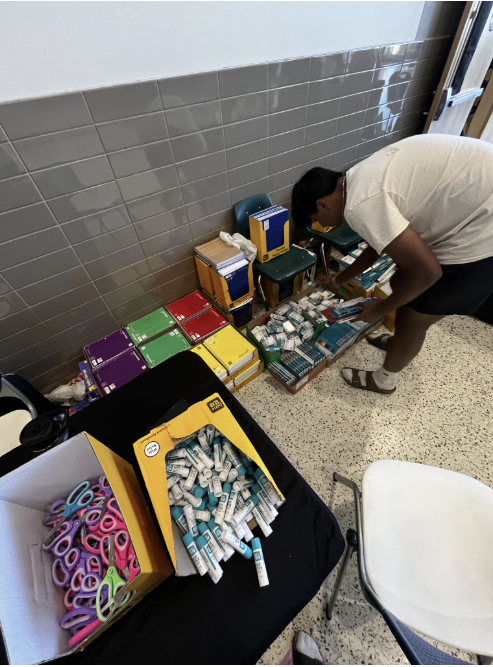
One student-led nonprofit by Edina High School students is called Unlocking Young Minds. The nonprofit was created in 2018 by a senior and his friends to provide schools around the world with supplies and other necessary materials. When the original nonprofit leaders graduated, Unlocking Young Minds was passed down to one of their younger brothers, junior Varin Sinha, who is now the chair. Since the change in leadership, Unlocking Young Minds has shifted its focus to helping schools in Minnesota.
“Seeing that there’s still so much economic disparity here in the United States and Minnesota, we’ve decided to make a difference about it and actually help students and families out [here],” Sinha said.
When Sinha graduates, he hopes to pass Unlocking Young Minds on to other high schoolers interested in the cause.
“[The Unlocking Young Minds team was] really trying to get more sophomores and freshmen involved in it, so when we graduate, we have someone to carry on the legacy and continue this for students,” he said.
Unlocking Young Minds is just one example of an organization that was successfully passed down from a senior to another student and has continued to make an impact.
This piece was originally published in Zephyrus’ print edition on May 19, 2026