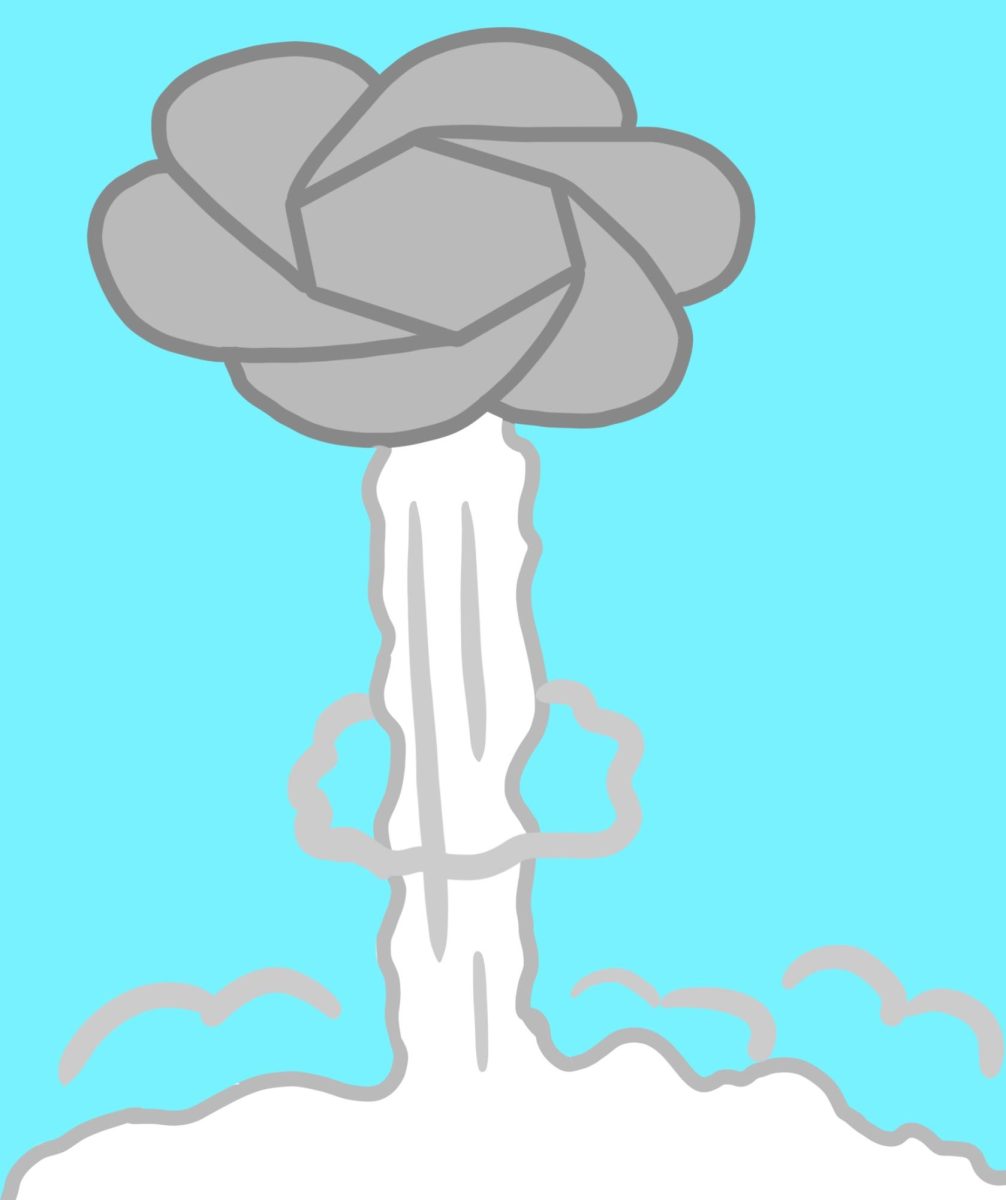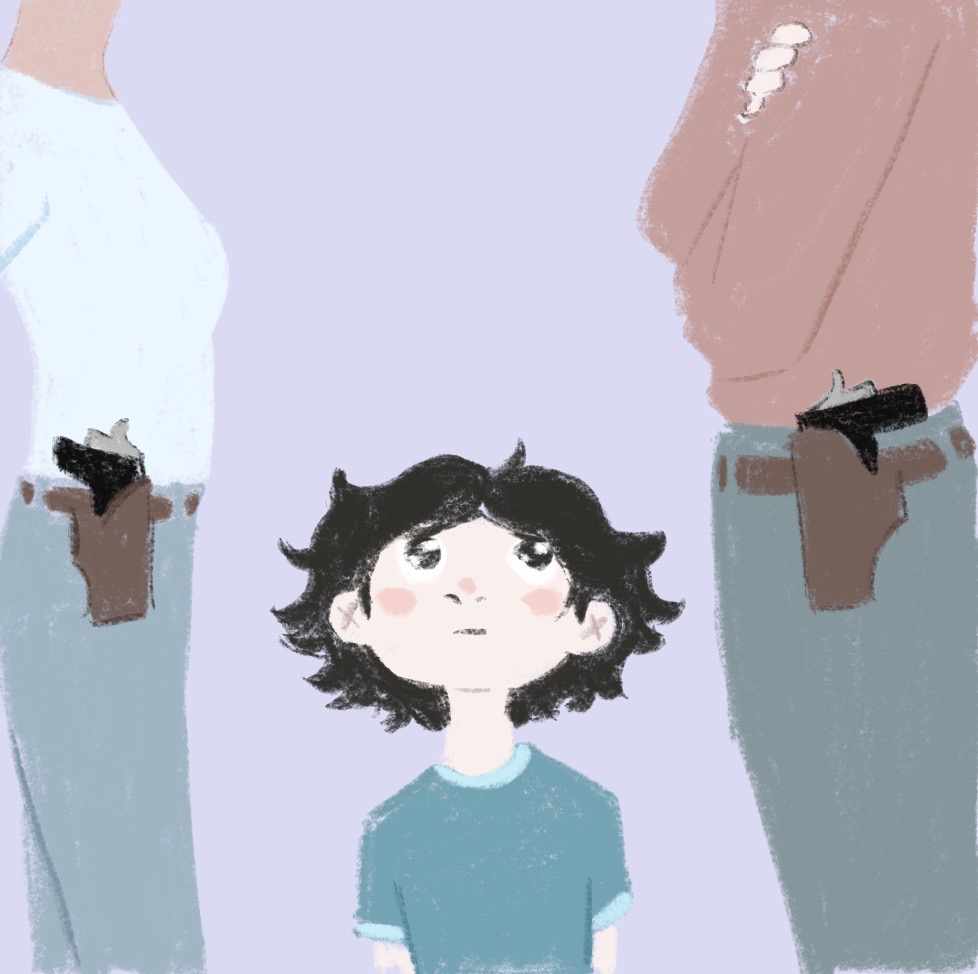

Charlie Kirk was shot and killed on a college campus. A gunman killed two and injured 17 at Annunciation Catholic Church. Two teens were injured by a school shooting in a Colorado high school. Every day, the stories change, and every day, it seems like the world gets a little worse, and the victim count rises a little higher. News has become so overwhelming that we lose touch with the actual issues at hand, only seeing them as headlines in our email inboxes.
No story falls victim to this phenomenon as much as school shootings. Something that used to be a once-in-a-blue-moon occurrence has become a staple of the American news cycle. Did you know that there have already been 47 school shootings in 2025? Did you know that the Colorado school shooting happened on the same day Charlie Kirk was killed? Did you hear about it? Did you care?
It’s easier to turn the news off entirely than to come to grips with those questions, but you should nonetheless ask yourself the answers. As the news cycle moves faster by the day, taking a “mental health break” from the news has never been more common. In fact, the Pennsylvania State University’s news literacy initiative reported in 2022 that 42% of Americans avoid reading the news because of anxiety regarding the state of the world.
These mental health breaks will inevitably result in apathy about the world. Disconnecting from the news means believing your consumption of the news is unnecessary, which is only a jump away from believing that your effort to make the world better is also unnecessary. Despite this, breaks from the news don’t feel harmful in the moment. Justifications for news breaks are intuitive—the world will keep spinning even when you look away, so why torture yourself?
The answer is that we, as humans, have a responsibility to care about what happens to others. When we look away from gun violence, we normalize these tragedies and hinder progress. The reason why gun reform has failed to be taken as seriously by politicians is that Americans have conditioned themselves to see gun violence as a fact of life. Even after a shooting in our own community, pushes for gun reform in Minnesota are still failing to gain traction. The cost of protecting your mental health is the lives of innocent children.
This principle extends far past gun violence. It’s true of ICE raids, surges in deportations, the genocide in Gaza, and all of the other stories that are just blips on your timeline. Being desensitized to these repetitive and demoralizing stories is understandable, especially when they feel so far away from our own lives, but it is also a privilege. You can turn off the news to escape, but those crises will still be reality for millions of people. Don’t ignore them.
Engaging with the news doesn’t mean making yourself crazy by doomscrolling. It can look like engagement with the community, aiding the victims of a tragedy, and participating in mutual aid. It means exercising your right to vote as an informed citizen—something only 47% of youth voters did in 2024, according to a Tufts University study. If the purpose of journalism is to inform, then the purpose of reading the news is to use that information to take action and help others.
Journalism is, fundamentally, a relationship between readers, journalists, and the events that we report on. News in a vacuum can therefore make no progress; our reporting won’t change anything if no one tunes in.
As we keep writing, we ask you to keep watching. Keep reading. More than that, when you see an issue in the news that horrifies you, instead of just putting the phone down, go outside to do something about it. If you want the world to get better, you have to start by creating that world.
This piece was originally published in Zephyrus’ print edition on Oct. 2, 2025