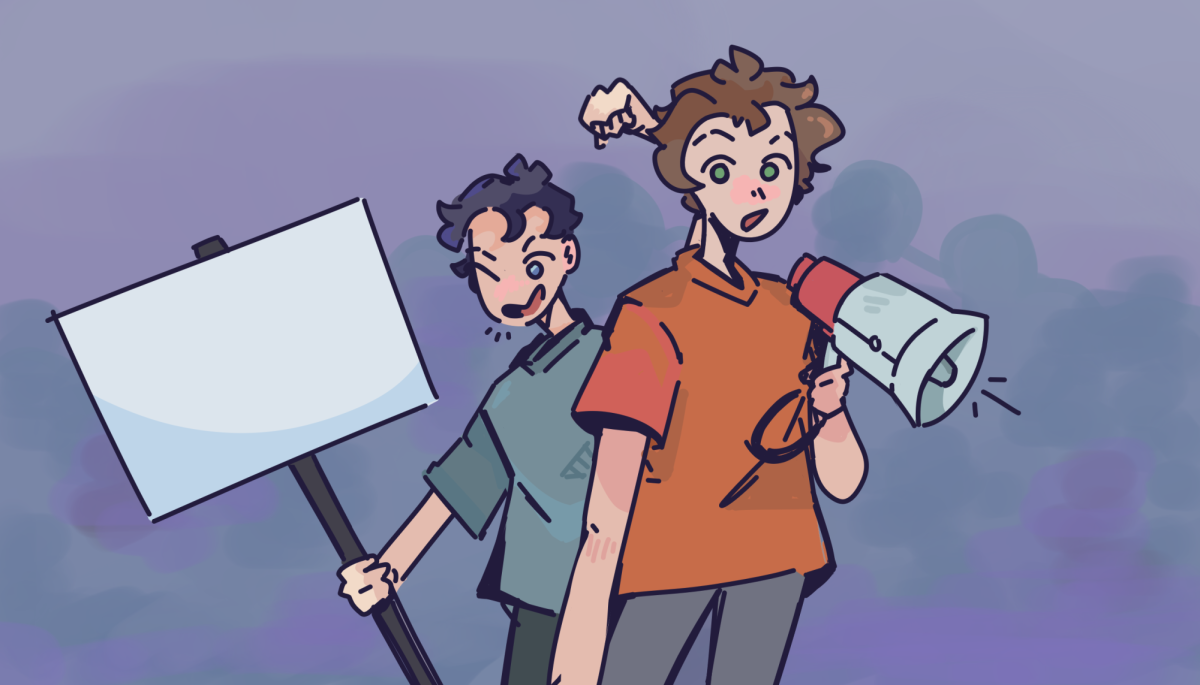
Throughout history, protests have served as material ways to accomplish political and social goals. History also proves protests are most effective when they make specific demands of those in power; without them, they risk becoming ineffectual symbolic gestures rather than engines for change. Recent protests in Edina, Minneapolis, and across the nation have lost sight of the need to have defined objectives.
In 1965, Filipino farm workers in California walked out of Delano vineyards to demand higher wages, safer working conditions, protection from harmful pesticides, and the right to unionize. By refusing to work in the grape fields, organizing a national grape boycott, and nonviolently marching throughout the country, this protest eventually forced grape growers to agree to all of their demands.
Similarly, in 1990, protesters gathered in front of the U.S. Capitol to advocate for the passage of the Americans with Disabilities Act (ADA). Rather than march, they left their wheelchairs, crutches, and walkers and crawled up the Capitol steps to demonstrate the inaccessibility of public spaces in what was called the 1990 Capitol Crawl, widely regarded as the final catalyst for the ADA’s passage. This transformed a more abstract policy issue into a visible injustice. Within four months after the protest, Congress passed the ADA, and it was signed into law in July.
These cases highlight that protests are not just expressions of anger or solidarity. They are mechanisms of accountability and can force change that would not happen otherwise. When protests fail to name who must act or what must change, they lose their capacity to compel reform and become symbolic rather than instrumental.
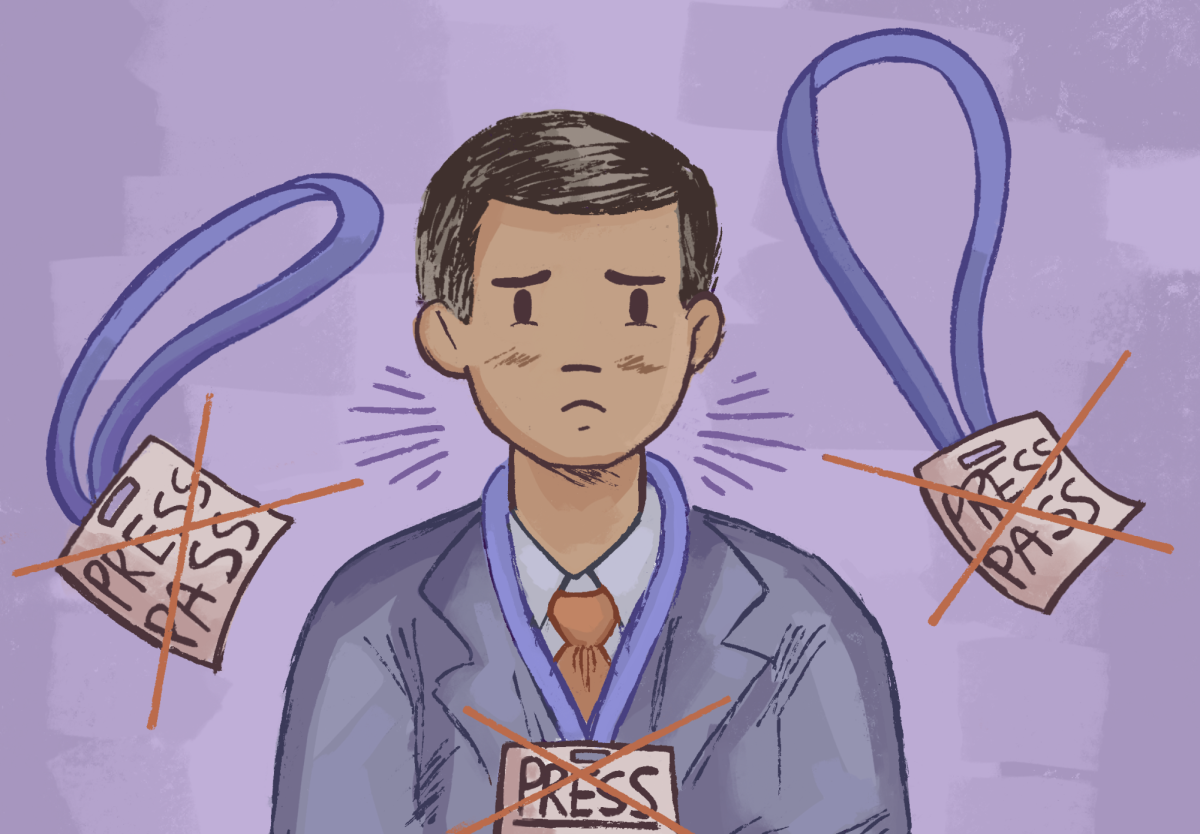
On Jan. 20, Edina High School students walked out of school in opposition to the Immigration and Customs Enforcement (ICE) agency. Although Instagram posts prior to the event described it as “resisting ICE in our city and schools,” there was no stated demand of administration or elected officials to change anything. And rather than make demands of people in power, demands were made of the students themselves. The organizers collaborated with administration and security to share conduct expectations with students that included a request to not write swear words on signs and that the press would not be allowed to interview students “without speaking to the school first.”
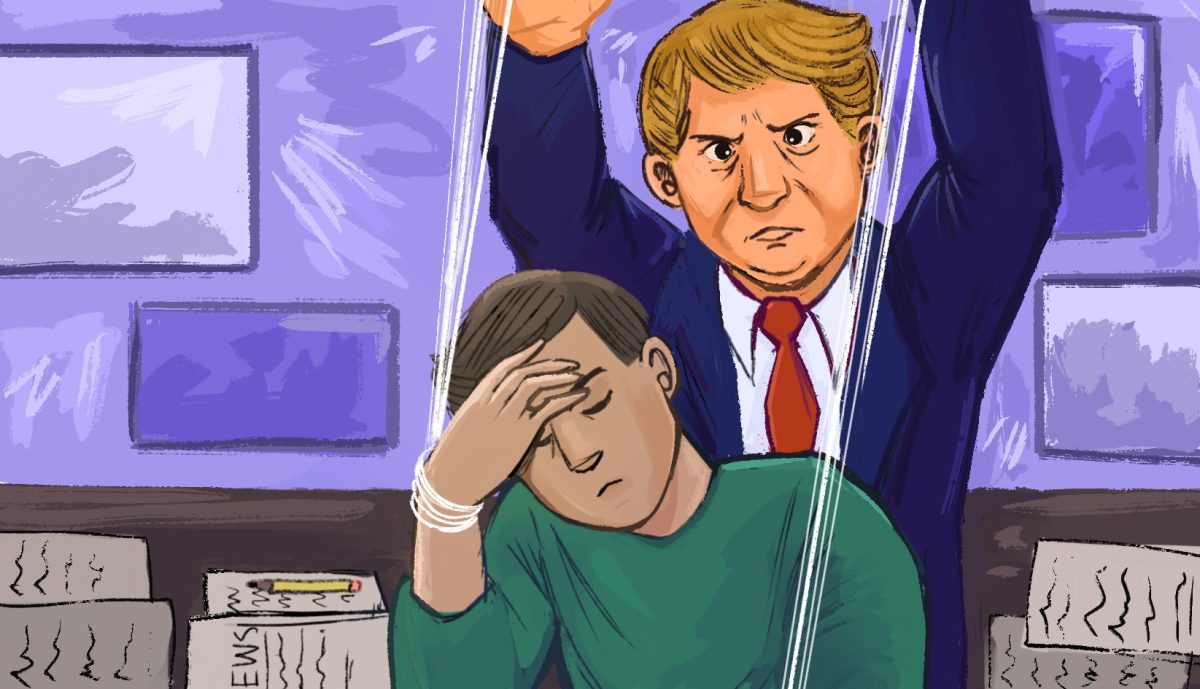
This form of protest is not inherently bad, but it lacks structural leverage that it could easily take advantage of. Beyond our campus, this is also true for the 50501 No Kings protests, which according to their website seek to “uphold the Constitution” and “end executive overreach” without any listed demands. Like the EHS walkout, No Kings collaborated with law enforcement and also emphasized correct protester behavior over holding the government accountable. Although the protests illustrated mass displeasure with the Trump administration, they did not ultimately reach any tangible, impactful result.
In the same vein, a nationwide general strike was planned for Jan. 30, but its abrupt organization left many Minneapolis groups and major unions including Teamsters and the United Auto Workers unable to participate. Notably, many of the hundreds of local businesses that closed the week earlier for the Minneapolis-specific work stoppages did not participate again. Effective general strikes require workers from various industries stopping economic activity consistently for a specific, shared goal. Without said goal, major endorsements, or a shift to long-term stoppages, the U.S. economy was largely unaffected.
Had the Delano grape workers or disability rights protesters only gone on strike or marched on the Capitol to demonstrate frustration with a general issue without a specific ask, the company owners and lawmakers could have just claimed to acknowledge their concerns and moved on. Instead, their demands put pressure on them to implement specific actions.
In addition, public support is more critical for a movement’s success than one might initially think. It was easier for the public to rally around protests with definite goals like “allow people with disabilities into public buildings” rather than the nonspecific “we’re angry about society.” The nationwide grape boycotts, pro-labor marches, and widespread public outrage that followed the Capitol Crawl were necessary to influence their respective changes.
We are not asking activists to protest less. We need people to continue organizing and protesting to actualize change, but that means we must build long-term movements capable of disruption and use language that reflects the scale of injustice we claim to oppose. We must demand upward, not inward.
This piece was originally published in Zephyrus’ print edition on Feb. 19, 2026