
Allina Health medical professionals went on strike to protest unfair decisions, burnout, inadequate care for patients, and a growing shortage of doctors on Oct. 29 and Nov. 5.
The strikes occurred across the Twin Cities following 20 months of negotiations over a fair contract between Allina Health and Doctors Council SEIU. Doctors Council SEIU is a union of doctors, physician assistants, and nurse practitioners in New York, Boston, and Minnesota. In Minnesota, more than 600 doctors are involved in this strike. The contract’s purpose is to ensure better workload management.
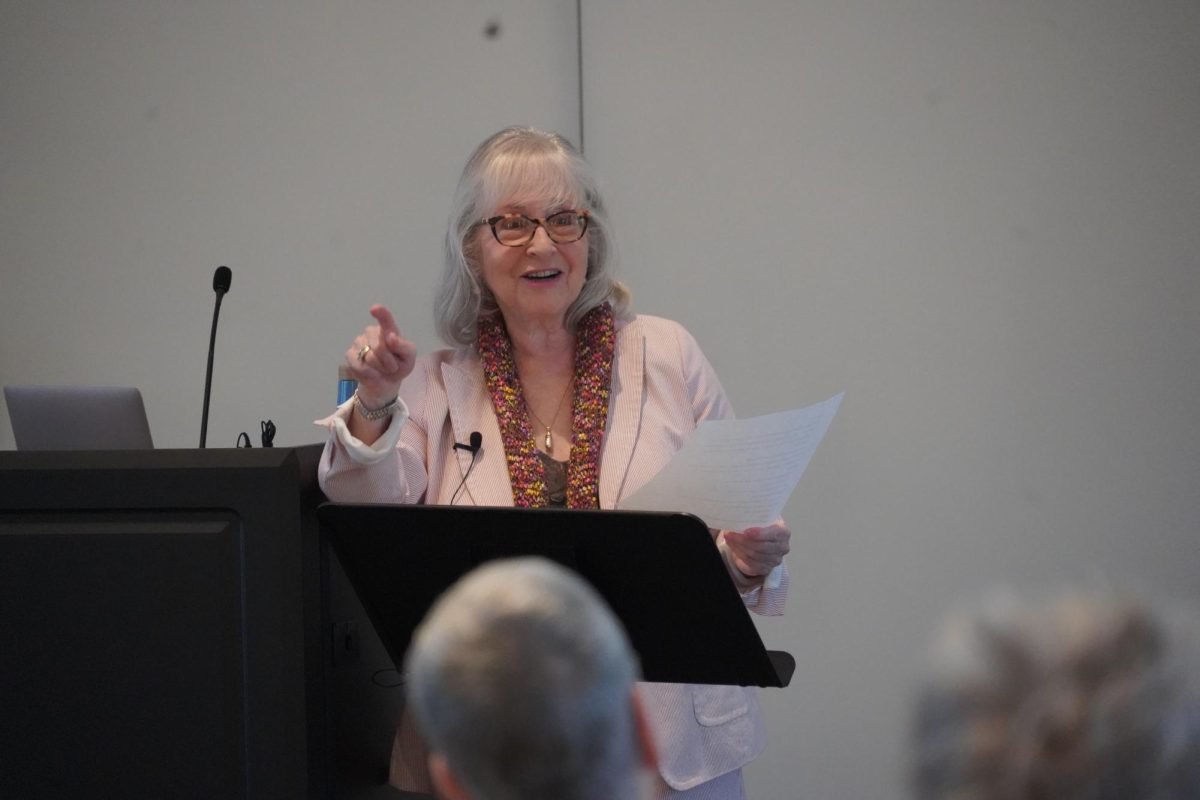
“For too long, we have been kept out of the decision-making process for how to best take care of our patients… we’ve seen decisions over the years that have been harming our patients… we’ve decided it’s finally time to grab a seat at the table and use our voice to collectively serve our patients,” Dr. Junaid Niazi said.
Lab results are delayed, clinics are closing, and workload on medical professionals is increasing, especially in rural areas. These conditions have caused many doctors to quit, resulting in a doctor shortage among Allina clinics.
According to Dr. Niazi, there will be a primary care doctor shortage of 30,000–40,000 doctors by 2035. Dr. Niazi also said that in 2021, 11% of the whole physician population left because of COVID. This puts an even bigger strain on healthcare as patients may have to drive longer than usual or resort to urgent care because of these issues.
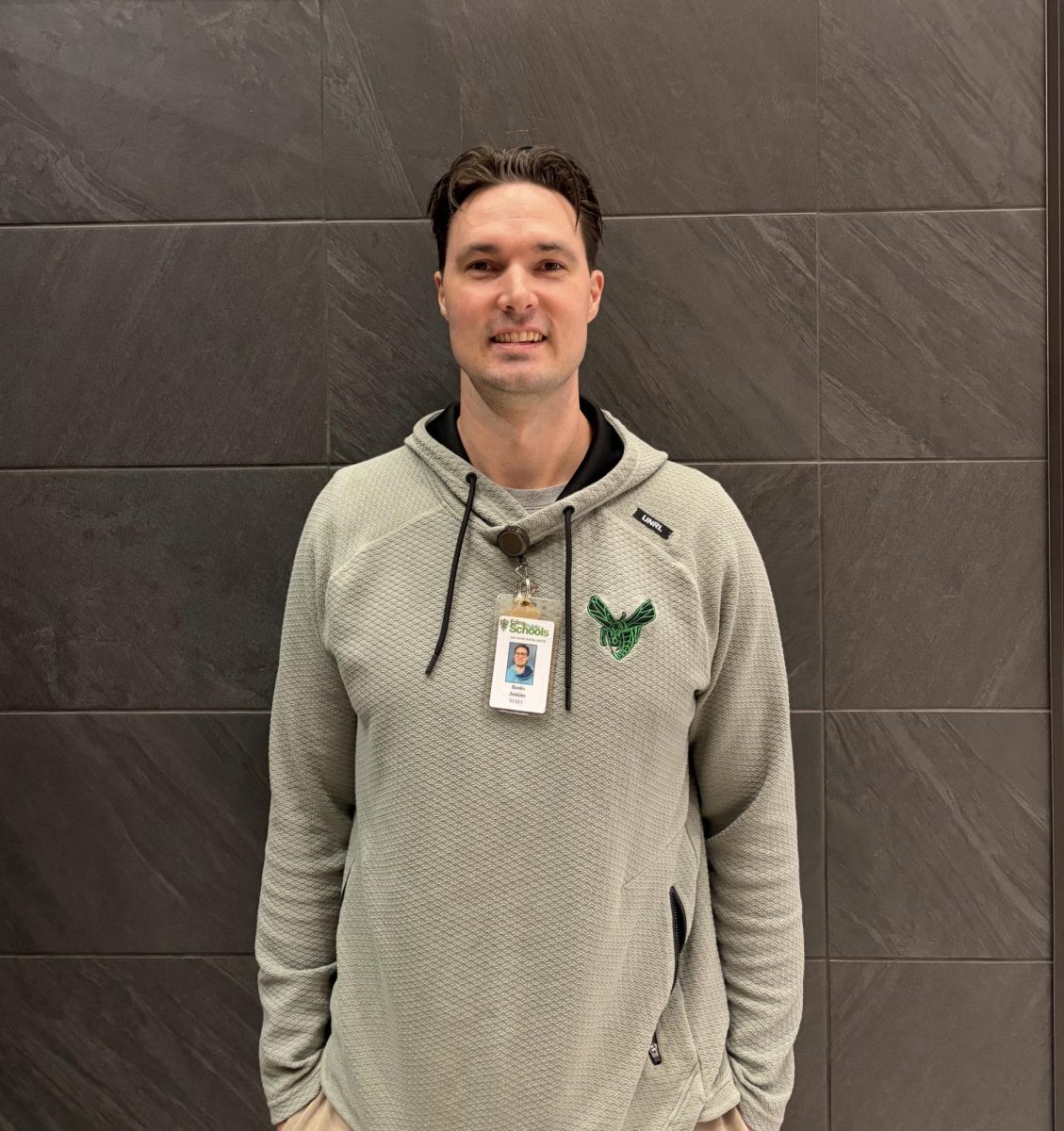
“We’ve seen simple things, like patients not being able to get an appointment, having to go to urgent care, or the urgent cares are full… the list goes on and on… people now have to drive 30 to 45 minutes just to get to the hospital safely and have a baby. These things are just unacceptable,” Dr. Nicholas VenOsdel said.
In the future, the Doctors Council SEIU hopes to negotiate a fair contract for Allina physicians and ensure safety and better working conditions for all.
“Our patients deserve our time, and the pressures of a spreadsheet will often dictate that time isn’t as important as producing another widget of money,” Dr. Niazi said.
As of now, no changes have happened. However, doctors have secured a bargaining date in December to negotiate these terms and make a fair contract.
“It’s a little hard to say [when the changes will happen] as this is the first time that we’ve been on strike… we will be meeting with the line at the bargaining table at some point after this to see if they are willing to make some progress because thus far, they’ve been unwilling to make some really important changes we feel are critical,” Dr. VenOsdel said.