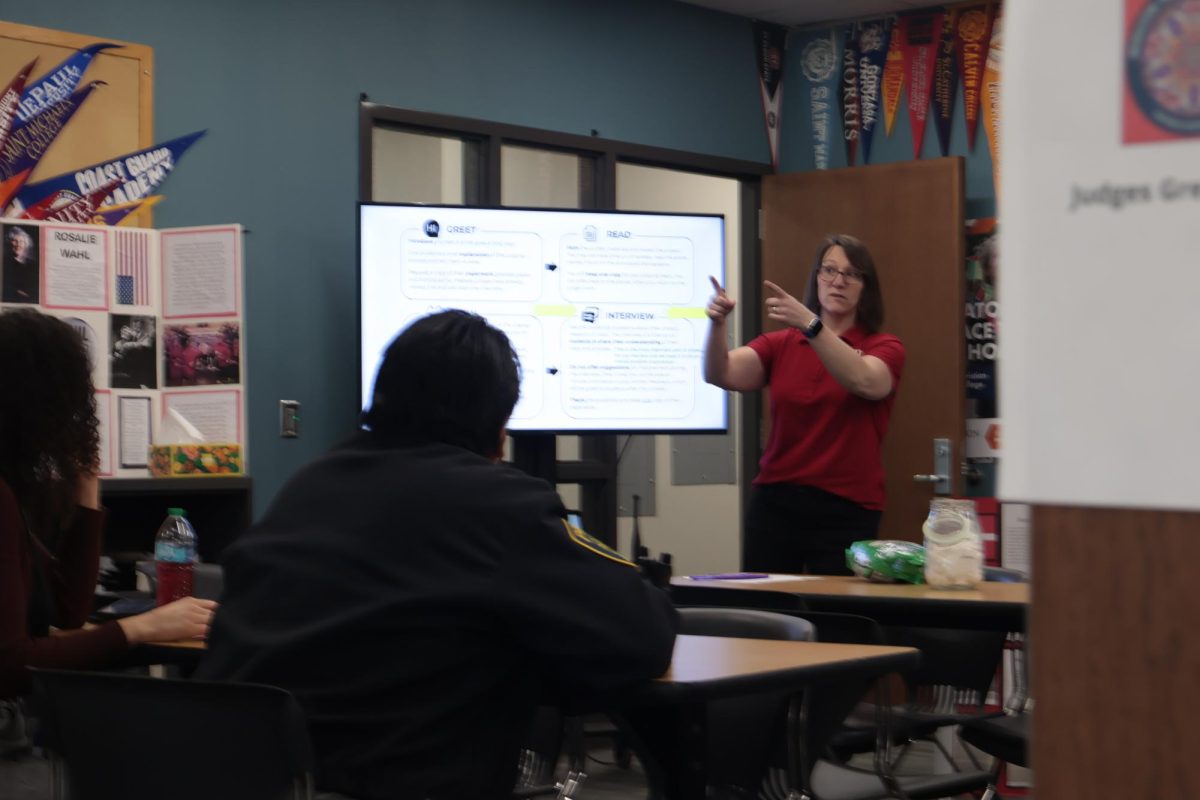
On Feb. 4 and 5, members of the Edina High School community gathered in the Media Center to compete in National History Day (NHD), a student research opportunity with a new theme every year. Coinciding with the 250th anniversary of the United States’ foundation, this year’s theme was Revolution, Reaction, Reform in History.
However, due to funding cuts from the Department of Government Efficiency (DOGE), many states now lack the funding that enables the program. In April 2025, DOGE cut funding to the National Endowment for the Humanities (NEH), which resulted in the cancellation of many grants, including that for NHD, which totalled $650,000 across four years nationwide. Instead of NEH getting the funding, DOGE intended for the funding to go to “non-DEI, pro-America causes.”
Minnesota has been less affected by the cuts due to internal state funding such as the Clean Water Land and Legacy Amendment. Implemented in 2009, the amendment increases sales taxes by three-eighths of a percent to fund various programs, including the Arts and Cultural Heritage Fund, one of the major funders of Minnesota’s NHD.
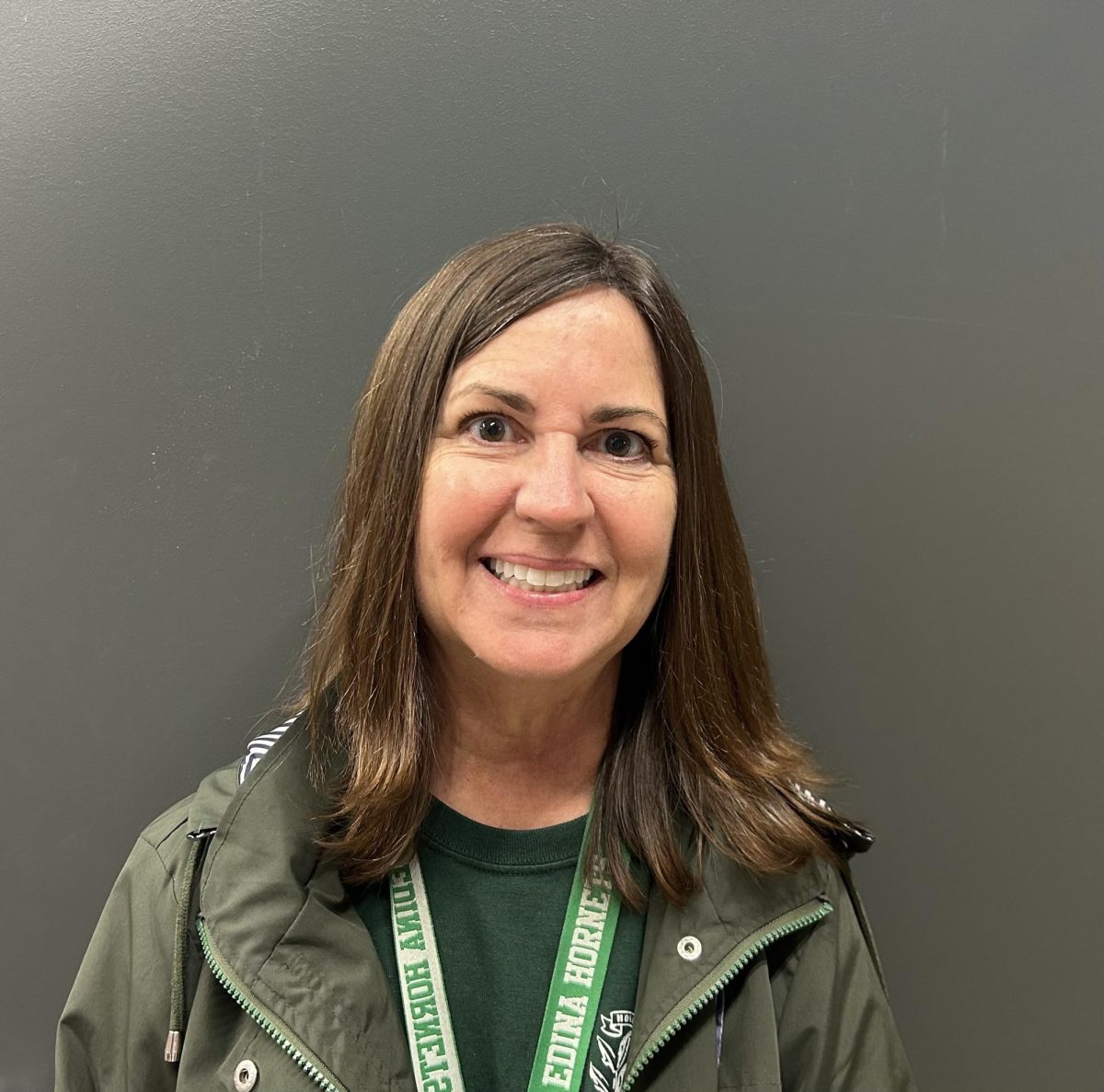
AP African American Studies and Cultural Geography teacher Courtney Major, the co-organizer of Edina’s NHD, has participated in the national program since 2004 and became involved in the EHS NHD program in the fall of 2022.
“[Christopher] Griggs brought over the program that he started over at South View [Middle School],” Major said. “And then when I joined the ninth-grade government team… we kind of co-ran the program.”
Another major part of the program’s organization is led by Library and Media Specialist Sara Swenson. As the media specialist, Swenson organizes and hires the community judges, manages EHS research databases, and presents the databases to students in various classes who need to use them.
“When [the students] came to us for History Day, they had those navigational skills on how to use NoodleTools,” Major said. “This year… I’ve seen [a] number of projects at… a high quality.”
In addition to having the program within the Cultural Geography curriculum, Major is trying to turn NHD into a teacher-led club. Currently, NHD is incorporated in school curriculum in classes like Cultural Geography. She said that she has many second and third-year participants and hopes that this continues to happen in the future.
“A history project is never done. And by that, I mean there’s always connections to the work that kids have done. So I think one of the enduring legacies of History Day is that the kids who participate start to look for and see changes over time related to whatever their research was. And that should be and is the legacy for a kid that really does History Day.”
This piece was originally published in Zephyrus’ print edition on Feb. 19, 2026