Explore, experience, embrace: Five years of Global Scholars


Global Scholars was created through collaboration between the Rotary Club of Edina and EHS. The Rotary, an international organization providing humanitarian aid and community service around the world, wanted to fund a graduation pathway for students that allows them to develop cross-cultural competence. The organization funds supplies and some scholarships for students.
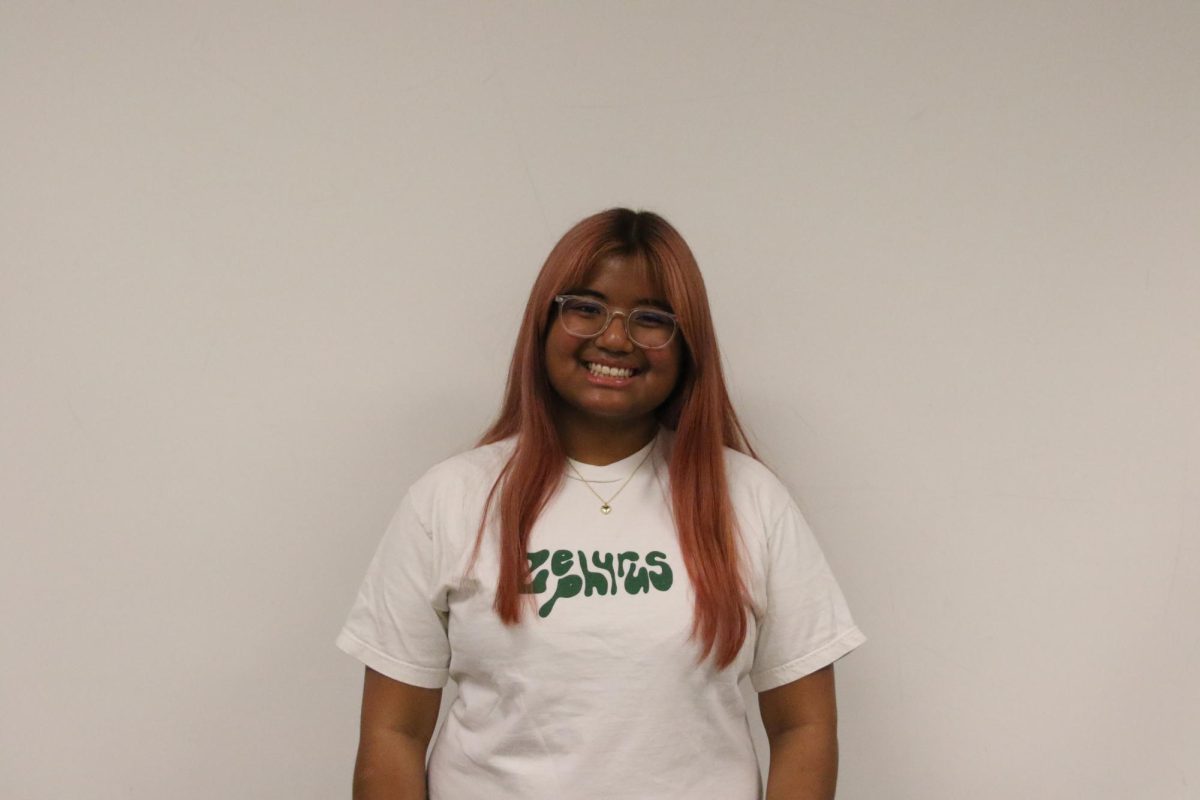
“I always explain Global Scholars as a diploma program because you get a little seal on your diploma that basically teaches students global competency in a way that helps prepare them to be global citizens that take into account culture and just other people around the world,” senior and Global Scholars President Veda Laabs said.
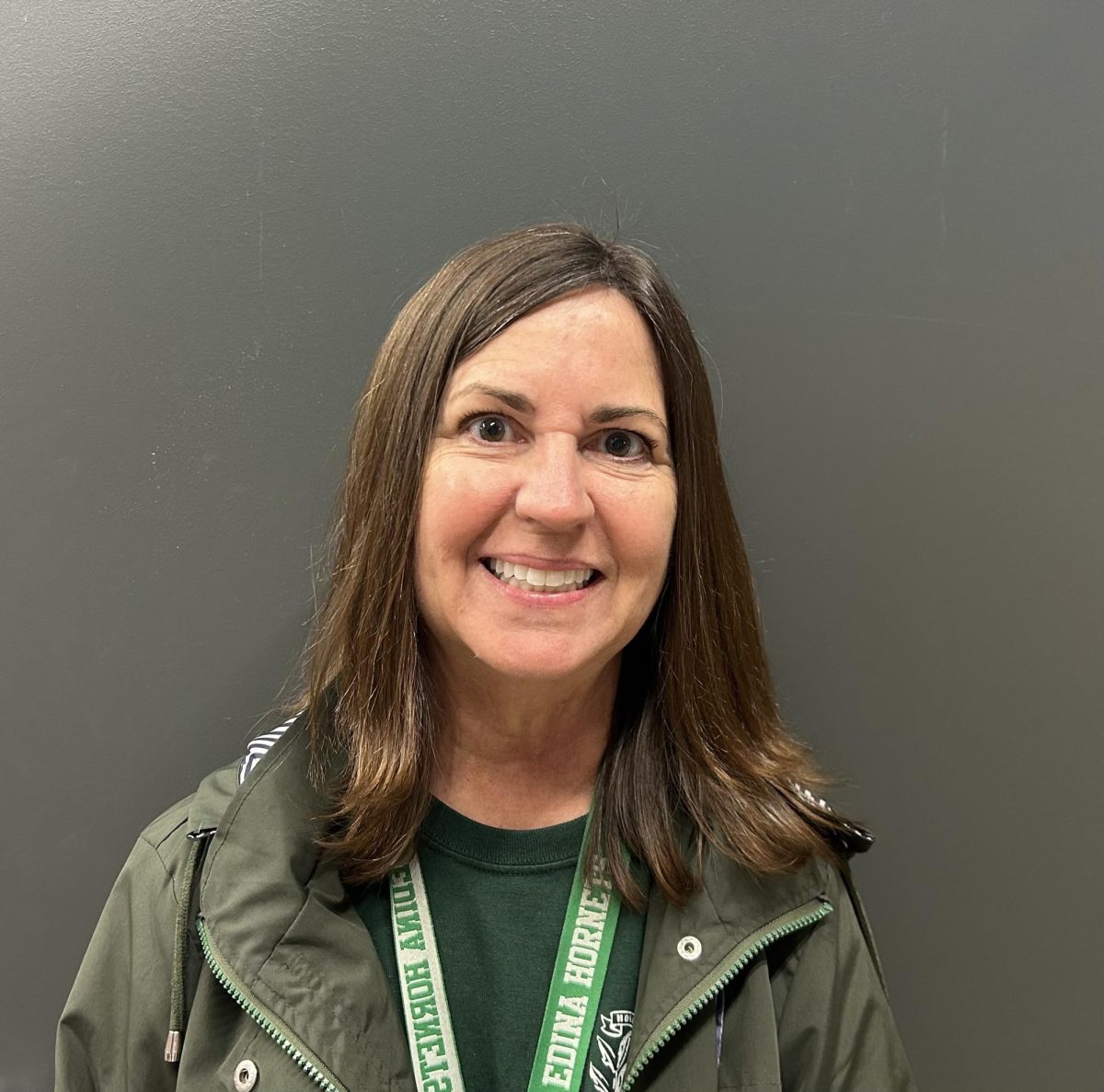
The staff lead for Global Scholars, chemistry teacher Lindsey Smaka, has coordinated activities and opportunities for the program since its beginning. She said she was drawn to the position due to her experience teaching abroad in Morocco with the Fulbright Program, an American cultural exchange program, and her enjoyment from going on science-focused international trips with students.
“The first year was the really crazy COVID year… a lot of things had to be online,” she said. “But that’s how it started, and it’s just kind of evolved and grown from there.”
To achieve the seal, students must meet five requirements. These include participating in monthly Global Scholars meetings, reaching proficiency in a foreign language, demonstrating global collaboration, engaging with the Rotary in some capacity, and completing a capstone project on a country and United Nations Sustainable Development Goal of the student’s choice.
During quarantine, students weren’t able to engage in activities like visiting other countries or hosting exchange students to achieve their global collaboration requirement; instead, they attended virtual programs.
Zoya Hasan, a Global Scholar alumna and freshman at Duke University pursuing global health on the pre-med track, completed her requirement during the pandemic by attending a global health program through Johns Hopkins University.
“That definitely inspired my interest in global health because I was able to learn from different professors,” she said. “I never really thought about [healthcare] globally, I thought of it more locally.”
Hasan also said she expanded her worldview through Global Scholars by learning about Smaka’s experiences in Africa and hearing from Spanish exchange students, which inspired her to consider studying abroad in Europe at Duke.
At their monthly meetings, the Global Scholars learn from people with other backgrounds or who work in international relations professionally and hear about service and travel opportunities. Smaka uses her connections—some with nonprofits like Global Minnesota, and some through her PhD work in comparative and international development education with the University of Minnesota—to arrange guest speakers and identify projects for the students.
Last year, for example, Smaka set aside a meeting for students to construct “solar suitcases,” which are packages that have solar panels that generate electricity for classrooms in Uganda.
The interdisciplinary nature of the program attracts students with all kinds of interests. Shayaan Gandhi, a Global Scholar alumnus and junior at Carnegie Mellon University pursuing Electrical and Computer Engineering, did his capstone project on water quality and clean energy in Algeria.
“I think in any profession, you need to interact with people who come from an international background,” he said. “So having context about different kinds of things they may have experienced… is important.”

Global Scholars currently has 51 seniors on track to graduate with the earned seal, over seven times the number it did its first year. The internal leadership structure consists of four boards that cover marketing, international opportunities, and connections with the Rotary. Laabs, along with seniors Vice President Sydney Bethune and Secretary Claire Norman, oversee these branches as the executive cabinet.
Last year’s Zimbabwe trip was the first solely composed of students from the program. Smaka worked in collaboration with the Rotary to arrange the travel experience; Rotary members traveled with the group.
“I saw more empathy in students, and it’s been a while since I’ve been a student. So [I had] the realization that kids are more aware of the global world than I expected,” Rotary International Grants Director Jennifer Hendrickson said. “Seeing these kids connect with other kids even when they don’t speak the same language, that’s really cool… Just like bringing out a soccer ball or a basketball, that’s global. That’s a way to globally communicate.”
Looking ahead, Smaka has prepared another international travel opportunity for Global Scholars and other interested students to perform community work in Bolivia this upcoming spring break. Both Hasan and Hurwitz noted that getting to know other cultures was eye-opening.
“I would love to see more trips to more developing countries in conjunction with Rotary,” Hendrickson said.
Travel experiences can spark inspiration for students’ capstone projects. The research activity, usually undertaken by students their senior year, entails the successful completion of a semester course or a travel-based learning experience and a comparison between a country and either the U.S. or Minnesota on one or two Sustainable Development Goals of their choosing.
“[Students] choose a global issue that they are passionate about. They look at it from a local lens here in Minnesota or Edina, and then they look at it from a global lens with a country of their choice,” Smaka said. “The students who went to Zimbabwe, all of them did it on Zimbabwe, so that they were able to ask questions and do their research.”
Bethune’s capstone project compared the way historical figures are taught in Zimbabwe and the U.S., focusing on SDG 4: Quality Education. She was able to gain primary research sources from her participation in the trip, which is optimal for the capstone research.
“Cecil John Rhodes, he created independence for Zimbabwe, but also he was seen as a colonizer,” she said. “So in different parts of Zimbabwe, they would perceive Cecil John Rhodes in different ways. I thought that was really interesting, and I compared that to our past presidents.”
Similar to Bethune’s capstone project, Laabs connected hers with the Zimbabwe trip, using her experience visiting a hospital there to focus on maternal health and education within Minneapolis and Zimbabwe communities.
“It’s a work in progress, but hopefully it’s going to focus on disparities in maternal health when it accounts for race in Minnesota and then what it compares to the health care in Zimbabwe and what influence that maternal health clinic made on the Chisizya Binga community,” she said.
Some students were able to directly work with their international connections outside of just researching. Smaka referenced senior Elsa Monsen’s capstone project as one of her favorites; Monsen worked with a nonprofit in Zimbabwe to obtain period supply kits for a remote school and presented to them on how a period works.
Although opportunities for Global Scholars have diversified throughout the years, Smaka continues to provide the same central opportunities to get students involved during meetings.
In a couple weeks, Smaka will host a guest speaker from India here in Minnesota as a Humphrey Fellow at the University of Minnesota. Smaka finds guest speakers through her “own connections.”
Smaka said she hopes that exposure to outside perspectives will give students the tools to become open-minded, globally literate people.

Global Scholars isn’t just an extracurricular activity at EHS; it has the potential to open the door to new ideas and possible plans of what current Global Scholars aspire to be. According to Smaka, graduates of Global Scholars tend to pursue topics relating to sustainable development or international studies after graduation.
Paisley Andrews, a Global Scholar alumna and sophomore at the University of St. Andrews, runs a nonprofit called Empowered Business Consulting that fundraises to support startup businesses in underdeveloped economies.
“I learned so much from Global Scholars about interacting with people of all different backgrounds and cultures and really learning about different parts of the world, so it definitely directly influenced what I wanted to study,” Hasan said.
Last year’s Zimbabwe trip helped give Laabs an idea of what she might want to do in the future.
“Global Scholars, and specifically the Zimbabwe trip, helped me realize that I definitely wanted to do something international,” Laabs said. “It helped me realize that I am 100% going to be going abroad in college, and also that I wanted to do something not only in science but also in international relations.”
Bethune, who plans on majoring in international relations in college, said that Global Scholars taught her that diplomacy can have many forms: it can look like direct government-to-government interactions, but also can look like volunteering in other countries. She added that some of the featured speakers at Global Scholars meetings helped her secure an internship and were open about discussing their careers in international relations with her.
Ultimately, however, no matter what path Global Scholars students pursue, Smaka said she hopes that they will understand all the opportunities they have in an increasingly globalized world.
“My big hope is for students to communicate interculturally, whether it’s a different culture or here, in the classroom,” she said, “and just [to] open the world to them.”
This piece was originally published in Zephyrus’ print edition on Nov. 6, 2025