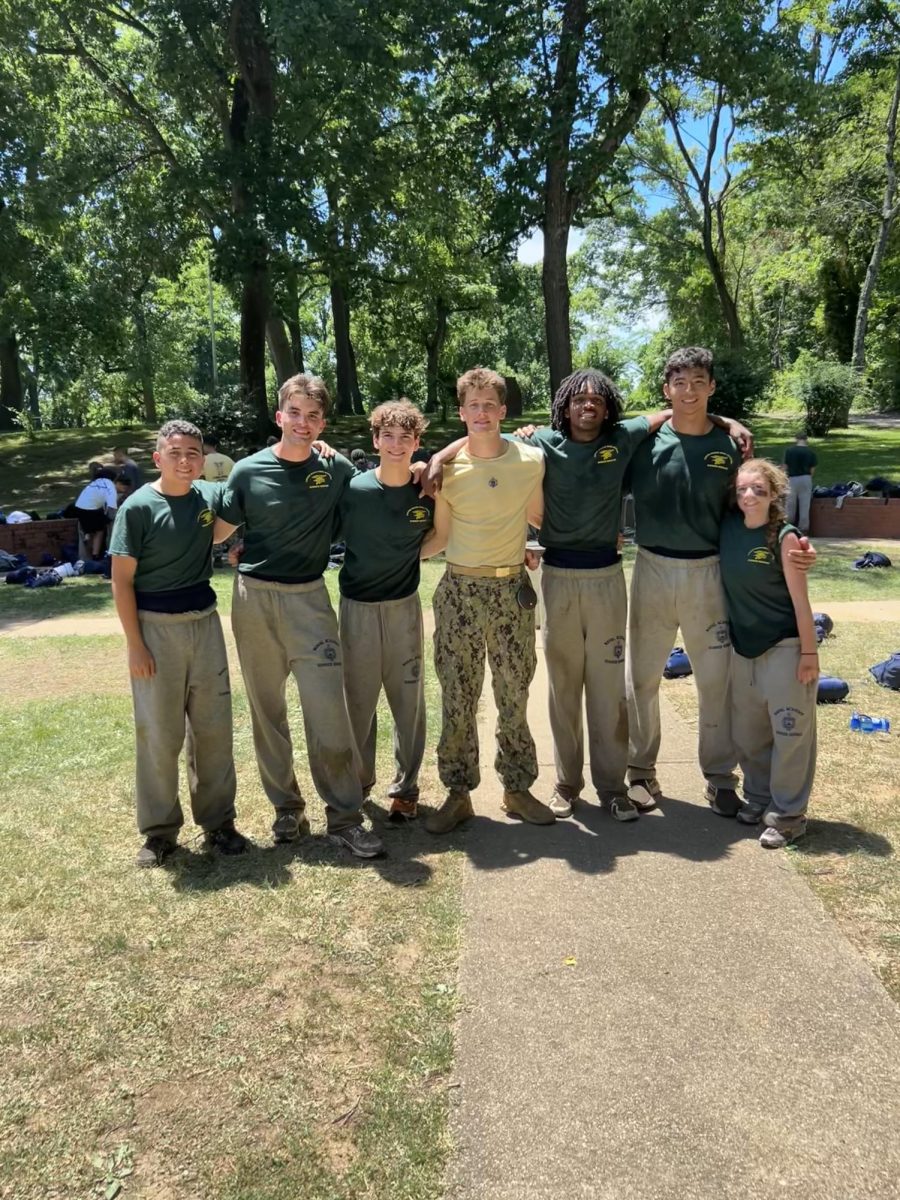

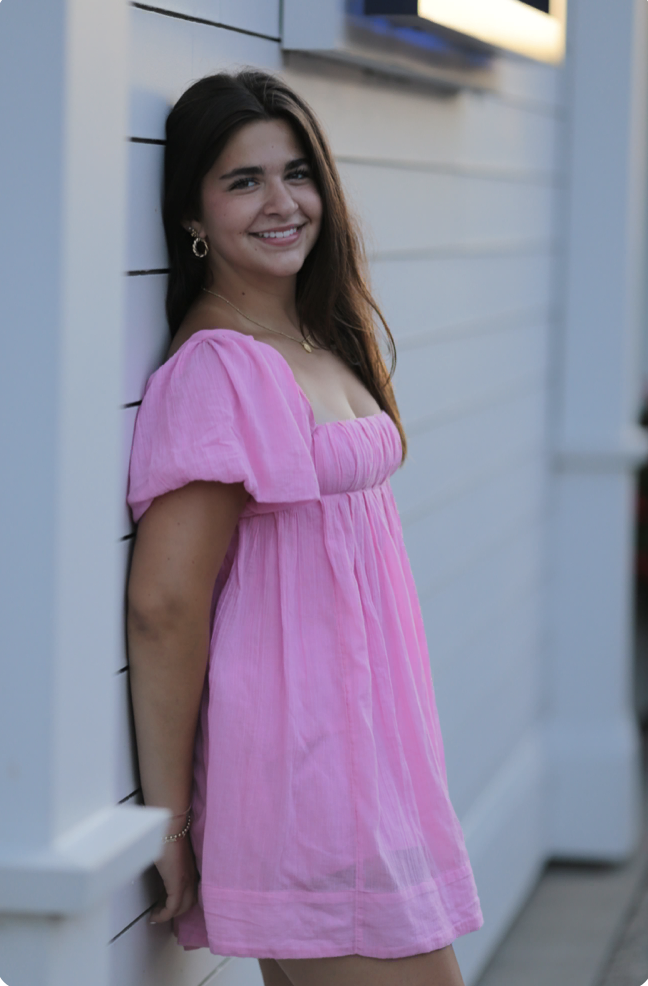

Prior to senior year, Noelia Usandivaras knew she wanted to study abroad or do a gap year somewhere, but upon searching for colleges, she decided to extend that hope by attending college in Spain. There, she’ll go to school at the University of Navarra, double majoring in industrial and mechanical engineering.
Although she’ll be leaving her parents in the U.S., Usandivaras’s grandparents live in Spain and have been helpful in her decision-making process.
At first, her parents were slightly hesitant about the idea of their daughter living so far away, but they have become supportive and excited for her new chapter. Her mom is half Spanish, which makes her more excited for her daughter to be in the country.
As for her future time in Spain, Usandivaras looks forward to being immersed in a different culture where she can meet new people and challenge herself. She hopes to gain a lot from this experience while trying something new.
Despite speaking Spanish fluently, Usandivaras was drawn in by the aspect of the college being an international school with a wide geographical diversity of students and staff.
Usandivaras is relieved that people will know English in case she needs more help. “Although I’m fluent in Spanish, sometimes I struggle with reading and writing,” Usandivaras said, “so knowing that it’s international is very helpful.”
When future seniors are choosing a college, Usandivaras suggests to “go with your gut [and] go with what’s hard, because in the end, it’s gonna be a struggle, but it’ll be worth it to grow.”

For senior Claire Johnson, the chance to live in Montreal made McGill University the obvious choice.
Johnson, a French-American dual national, initially became interested in McGill due to its location and the opportunities available at a larger research institution.
“It gives me a chance to practice my French and live in a French-speaking environment,” she said. “It’s also in the city, so there are a lot of opportunities for internships.”
Johnson plans to study social work and attend graduate school after receiving her undergraduate degree. One of the reasons she chose McGill was the flexibility that having a Canadian degree would give her after graduation.
“[McGill] is nice because there are just a lot more options than US schools,” she said. “I could live in Canada or live and work in the US if I want because it’s a lot more internationally recognized.”
Unsure if she wanted to go abroad for college, McGill was the only international school Johnson applied to. Compared to US colleges, the McGill application “was the easiest [she had] ever done.”
Since committing to college, Johnson has begun the visa process and other requirements she needs to meet before she travels abroad.
“There is so much to do before I move there,” she said. “Whether I want to get an apartment or apply for a job, there is always this extra obstacle because I’m an international student.”
Though the initial process has been complex, Johnson can’t wait to begin college this August.
“I’m just really excited to be there and [experience] everything new for the first time,” she said.

For Clemence Lechevin, the future is French. Since she will be studying biology at McGill University in Montreal, Canada, she’ll be placed in the center of French-Canadian culture.
Studying in Canada will allow Lechevin to continue practicing her culture. As a daughter of two French parents, she speaks the language at home and practices many French traditions, but with her coming graduation, the United States has become a more difficult option to continue these traditions.
While some students may be nervous to study abroad, Lechevin found the application process easier than expected.
“ It’s a lot more accessible,” Lechevin said. “I feel like people are just scared to go to a different country and go outside the US when they’re so young, but I think it’s a great opportunity to immerse yourself in new cultures and learn something new. I feel like that’s just the best way you’re going to grow up and learn to be independent.”
As Lechevin advanced through the college application process, her priorities shifted in what type of college she wanted to go to, and she recommends that students not limit themselves to one idea.
“ I was really set on going to a small school at the beginning, but [later] I realized that I would like a large school a lot better,” Lechevin said.
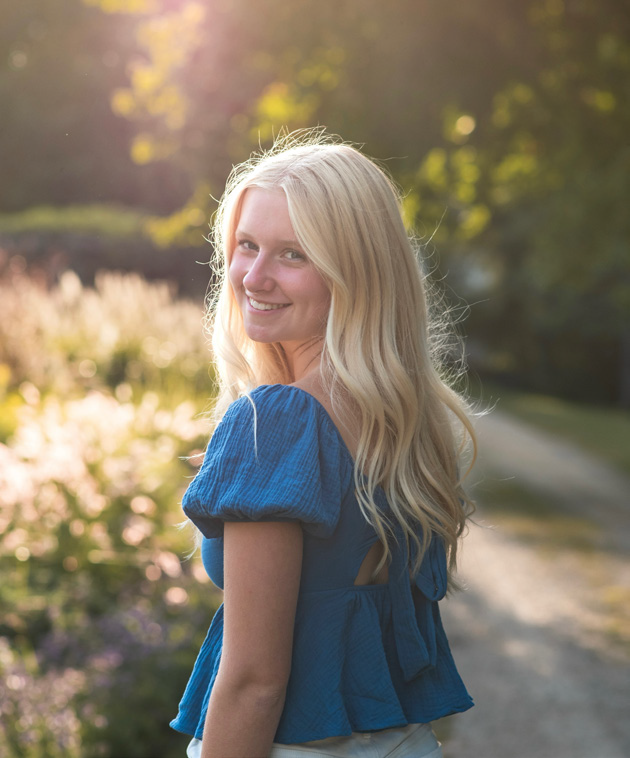

Immersing herself in foreign places and learning new languages is a passion for senior Lily Sannes-Eckhoff, which inspired her to go to Belgium for a gap year. After her trip, she will be starting college at University of Colorado Boulder, where she is planning to major in international affairs as well as Spanish.
Sannes-Eckhoff arranged her trip to Belgium via the Rotary Youth Exchange program, which offers students ages 15–19 opportunities to travel abroad. While there, she will stay with host families and attend a local Belgian high school, while also going on trips throughout Belgium with the program.
“The idea of study abroad has been really appealing to me as long as I can remember, and I really like learning other languages and just being in environments that are foreign,” Sannes-Eckhoff said.
Sannes-Eckhoff decided on Belgium in particular to practice her French skills. As an avid language learner, Eckhoff has been learning both French and Spanish in her years of middle and high school. Since she is already fluent in Spanish, Sannes-Eckhoff wants to improve her French more by immersing herself in a Francophone country.
“Hopefully I’ll be speaking French every single day,” she said.
As a bonus to that experience, Sannes-Eckhoff is excited to spend time immersed in European culture. “I love Europe and everything about it,” she said. “So [I’m excited about] just living there with everything European.”


While many students choose their college primarily for academics, something else is equally important for Madeleine Frey: travel. Frey’s passion for travel led her to the University of Exeter in England, where she will study economics and politics.
“I was born in the UK, and I’ve always loved traveling and exploring,” Frey said.
Though ease of travel was an important factor in Frey’s decision to attend college in the United Kingdom, family also played a role.
“I’ve been back to England a couple of times, and I really like going there and seeing my family as well. So it’s a new and exciting place that’s also a little bit familiar,” Frey said.
Originally planning to study international business, Frey switched her major to economics and politics to get a Bachelor of Science, instead of a Bachelor of Arts, and to participate in Exeter’s work-study program.
“I like how economics and politics are two very different things that still work together well. I think any job in understanding how people and how money in the world works would be really beneficial later in time,” she said.
After college, Frey wants to live in the United Kingdom, travel the world, and get a job that helps improve others’ lives.
“[I want to do] something with the UN and trying to help others through economic policy or through other political ideas,” Frey said.
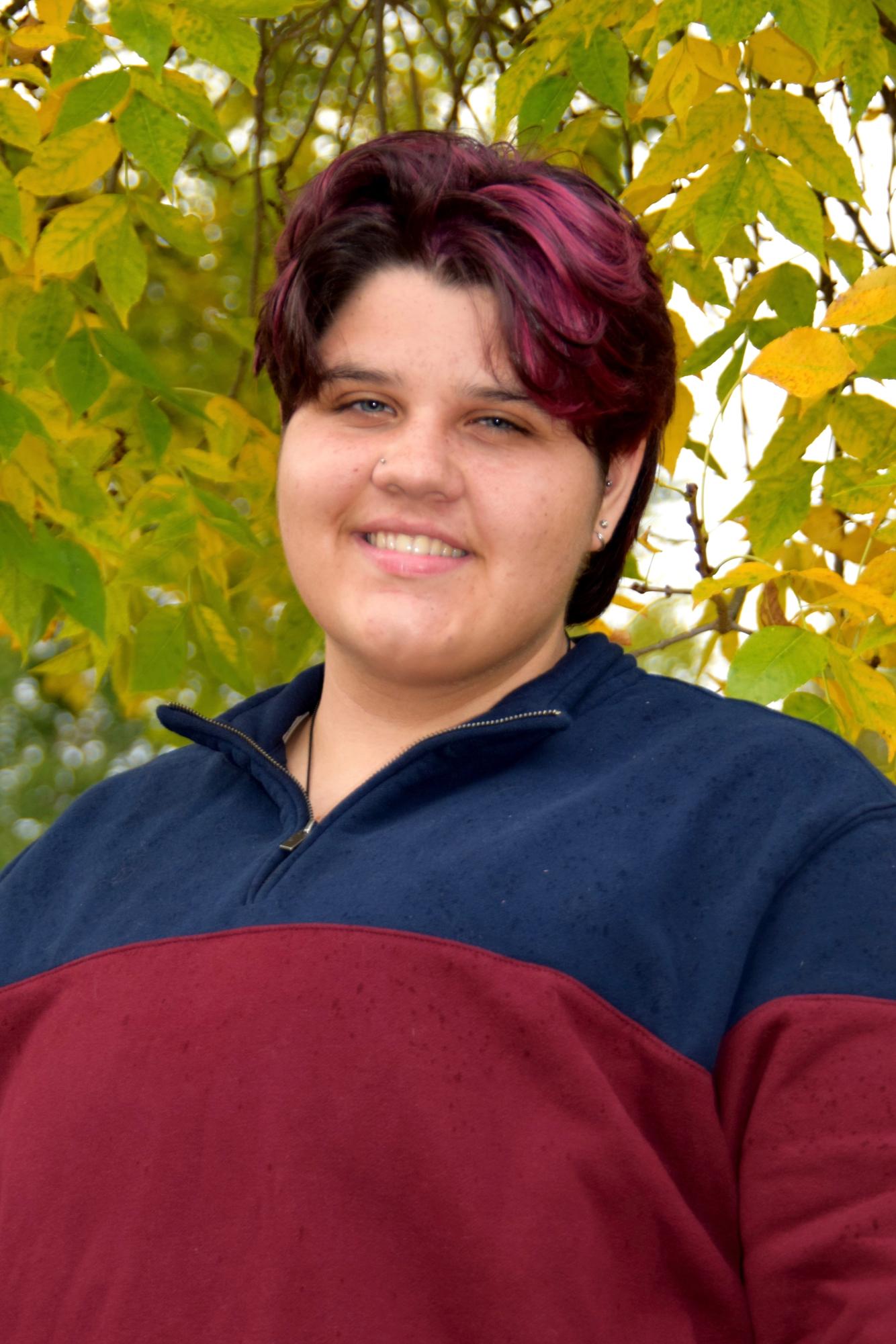

A year ago, senior Zed Thompson didn’t expect to spend his next chapter outside the United States.
Thompson was originally considering schools in the Northeast before his counselor introduced him to options abroad.
“I checked out the University of Manitoba, and I immediately fell in love,” he said.
Thompson was most drawn to the school’s culture and the opportunity to get “away from the political climate right now” in the U.S.
“The campus was super diverse, and it was super friendly and super welcoming,” he said. “And it just felt like a really safe place for me to be.”
Thompson plans to pursue a career in forensic sciences and law by studying psychology, criminology, and sociology at the University of Manitoba.
Applying internationally was not free of challenges. Thompson said he relied heavily on his counselor to navigate the different steps in the application process, such as applying for a learner’s permit.
“A lot of people in school, you’re not able to talk to them about your process of applying to college because it is a little bit different,” he said.
Despite such obstacles, Thompson recommends that students be more confident in the schools that fit them, even if their list is shorter or different from the ones of their peers.
“You should be able to find a place that you feel most comfortable in,” Thompson said, “and if that is out of the country, you should put in the effort and the time to be able to get out there.”
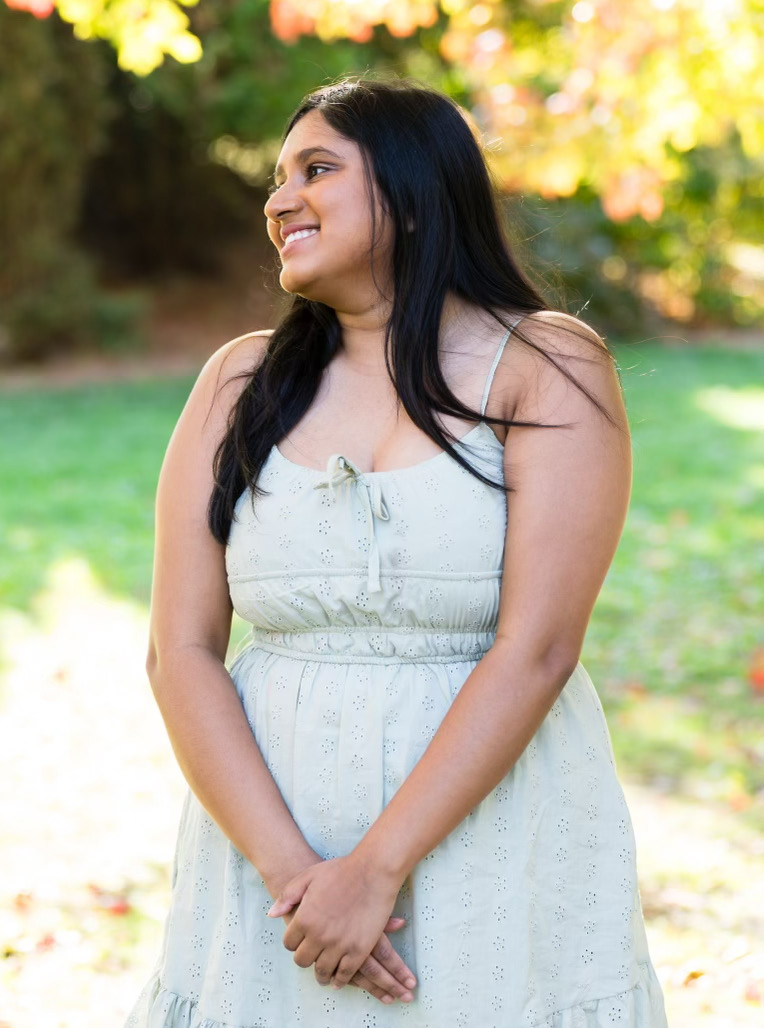

For many, studying abroad wouldn’t take place until their last two years of college, but Shanaya Jana knew she wanted to get real-world experience early on.
Jana was accepted into New York University (NYU) through a first-year abroad program called Global Gateway Program. NYU has 13 locations to choose from when deciding where to study abroad. Jana will be studying computer science in London, one of only a few majors students can choose from if they choose that location.
“It’s a pretty select program because they don’t offer a wide variety of majors, only about eight,” she said.
One of the main reasons Jana picked NYU was the nontraditional campus culture.
“I want to be in a city. Everyone wants to move to a city later in life for a job, and I want to get that experience ahead of time. I want to be near those opportunities and internships,” she said.
What excites her the most about studying outside of the United States is being surrounded by more students who are similar to her because of the specificity of her major. The program consists of 250 students, giving more opportunities to build real connections. In the future, Jana hopes to start a corporate job in computer science right outside of college, then later follow a pre-law track.
Jana recommends studying abroad to others at least once in their college experience.
“I always think that studying abroad is a great idea because you learn so much; you’re in a different setting, and it’s a good way to get used to traveling for a future job,” she said.
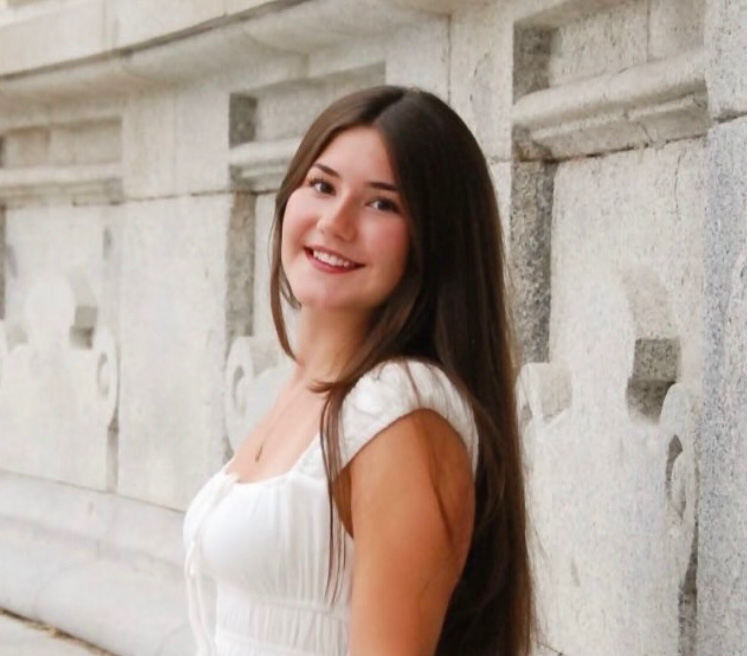

Between trips with Edina Rotary Global Scholars, visits home to Spain, or traveling with Model United Nations, it’s safe to say Amelia Romero-Lausin has seen it all. This has given her a global perspective on her pursuit of higher education.
In Spain, Romero-Lausin selected the University of Navarra. Elite academics and a campus life mirroring U.S. universities were her headliners.
“I switched my major from international relations to economics and finance because [I’m] a little bit scared of unemployment in the future, but my ultimate goal is to go to law school here in the U.S.,” Romero-Lausin said.
Career stability remains a significant factor in her decision, but Romero-Lausin still finds ways to prioritize her interests, noting that she finds economics fascinating.
Romero-Lausin’s experience in Model UN shaped her time in high school, and inspired her to go abroad. “I really like the international relations field, but I feel like that career kind of has limited outputs [in the] job force. So I was like, if I major in econ, I could do international law or trade law,” she said.
As a member of the leadership team at Edina Rotary Global Scholars, a program that introduces students to global cultures, Romero-Lausin felt prepared for the journey to Spain.
“…and I think that everyone in [global scholars] has such an open mind to every single culture, and that’s what ultimately inspired me to branch out and do four years abroad… I encourage everyone to do it, even if it’s just a semester or a year abroad,” Romero-Lausin said.