

A typical day may start before the sun rises. Athletes attend strength training or lift before school in the EHS weight room, under the guidance of TRIA GameFace Training performance coaches.
On Tuesdays and Thursdays, the Edina Girls’ Swim team meets with two GameFace coaches to strength train from 6:30 a.m. to 7:30 a.m. in the EHS weight room. Edina Volleyball utilizes the weight room more sporadically, usually exercising at around 7:15 a.m. on days their coaches decide.
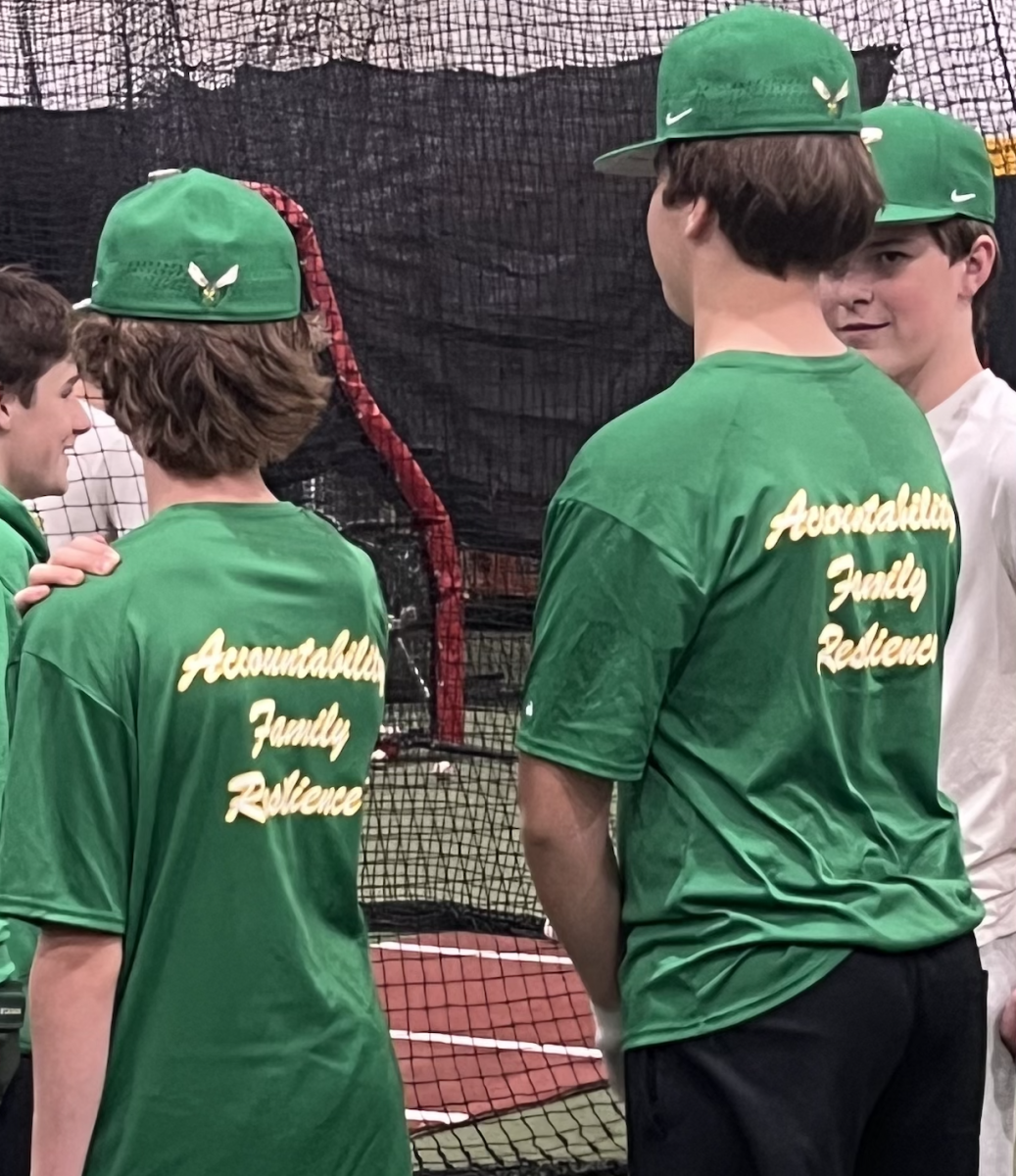
The Edina Football team lifts throughout the whole year, not just the fall. During the season, players are in the weight room on Monday and Wednesday, but in the off-season, they lift from Monday to Thursday.
Senior varsity volleyball player Lily Perron said the volleyball team will generally run their own workouts, the rigor of which depends on whether or not they have a match the next day. On Sept. 16, for example, they ran plyometric exercises and stretched afterward in preparation for their game against Eden Prairie.
After practice, the swim team will either go home to eat or have a parent-provided breakfast in the cafeteria.
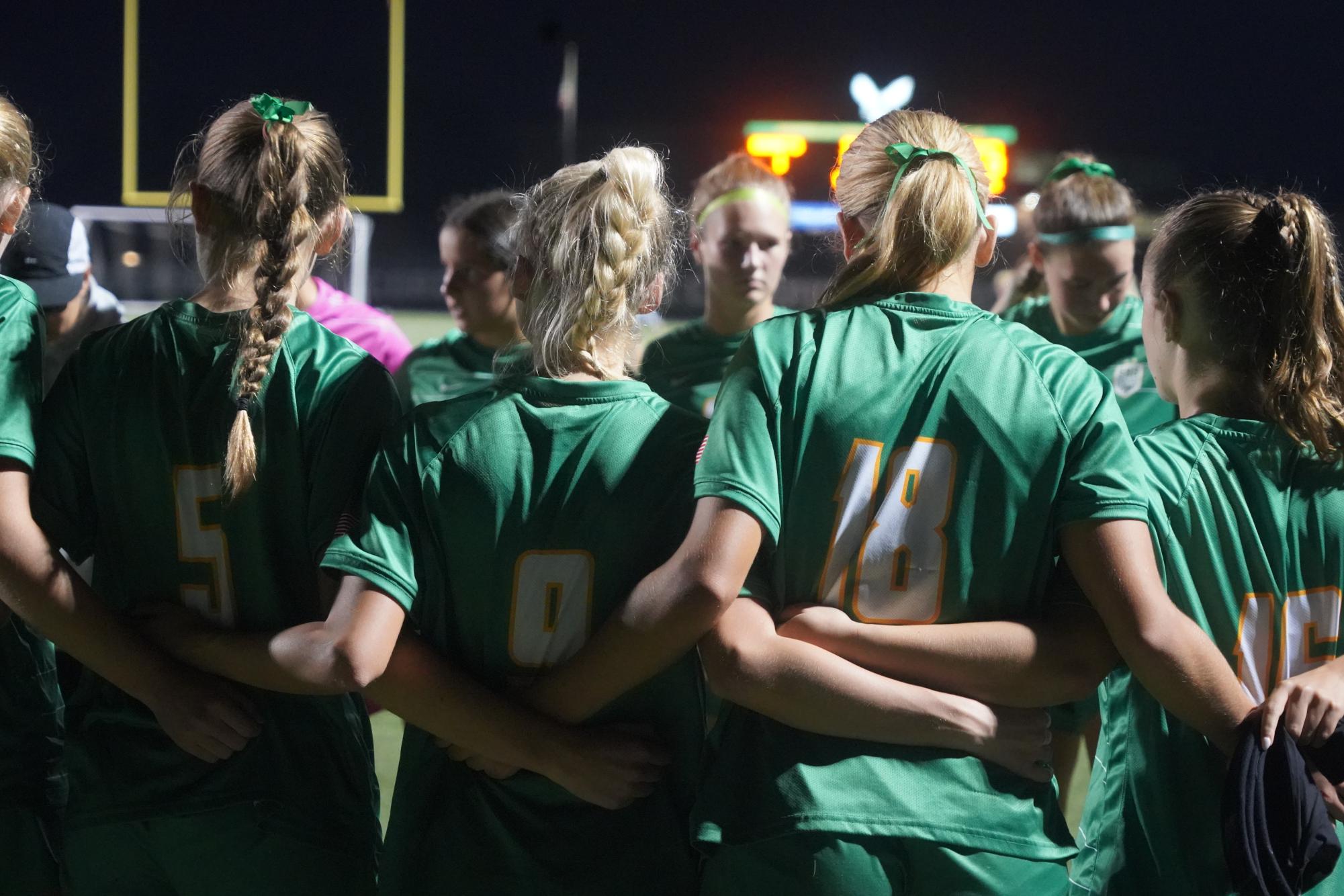
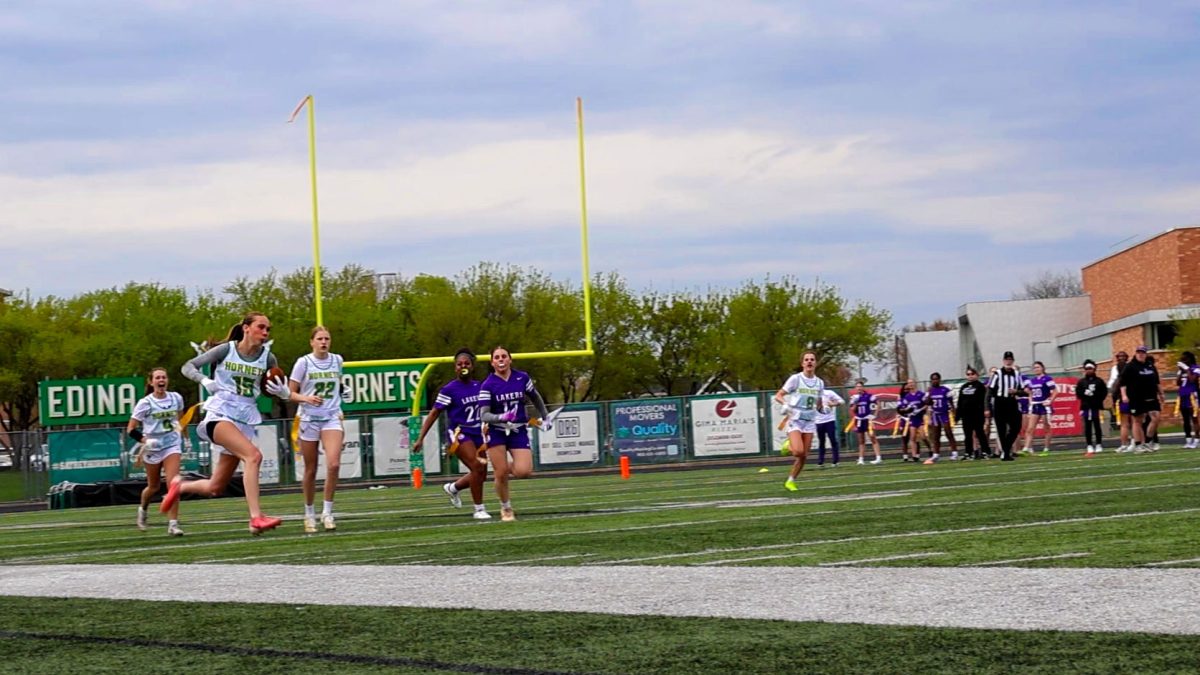
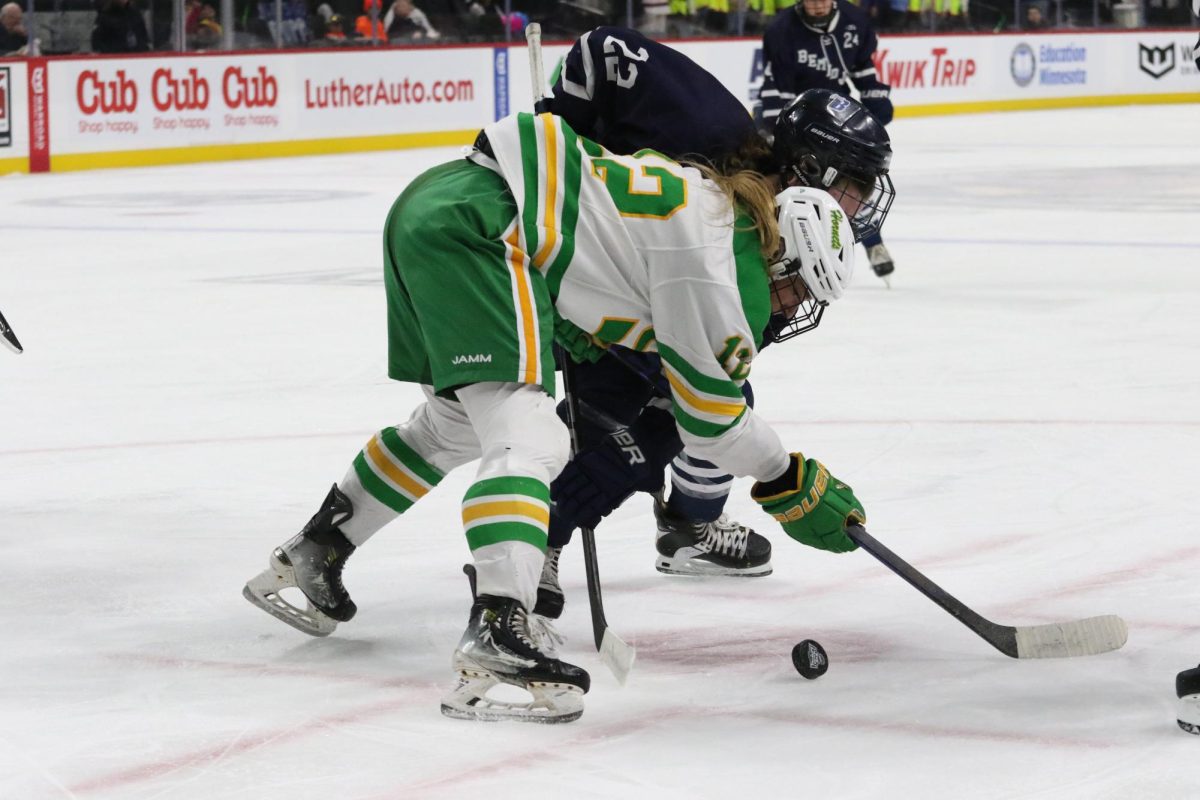
Games typically occur from the afternoon to evening, sometimes taking up to five hours. Based on the order of races, swims, or games in a competition, some athletes may only start competing a couple of hours in.
Dodd said she noted that every runner has different ways to stay concentrated on optimal performance; some cheer on their teammates, and others cool down in the team tent.
When athletes aren’t competing, their primary goal is to hype up the ones who are. After warming up, captains lead team cheers; the cross-country team repeats “E D I N A, Edina Hornets all the way!” at ascending volume while the girls’ swim team always shouts “AHAP!” (as hard as possible) before lining up for the anthem.
“I usually lose my voice because I’m cheering so loud, so I’m always winded,” Perron said.
Varsity volleyball players play last, so they help run the 9A, 9B, and junior varsity games by refereeing and scorekeeping. In the half-hour breaks between games, players cram homework they likely won’t have time for post-game. Before the varsity game, Perron said the team has “quiet time [to] get ready.”
“We sit in a little circle,” she said. “We just say what we want to do well in the game, what we want to work on.”
Post-game, each team has a different method of ensuring their athletes rebound well the next day. Edina Football sets up sponsorships with businesses that supply meals for players the day before and after a game while the girls’ swim team volunteering system provides swimmers with chocolate milk and snacks immediately post-meet.
Once they get home, senior Girls’ Swim and Dive Captain Tilly Katz, Perron, and Dodd have similar nighttime routines: eat, study, and sleep well.
“Making sure that I get enough sleep every night is so important, so if I have a little bit of extra homework I have to do in the morning, that’s fine, as long as I get eight to nine hours of sleep every night,” Katz said.
Perron aims to be asleep before midnight, and both she and Katz said they occasionally use their mornings to finish uncompleted homework.
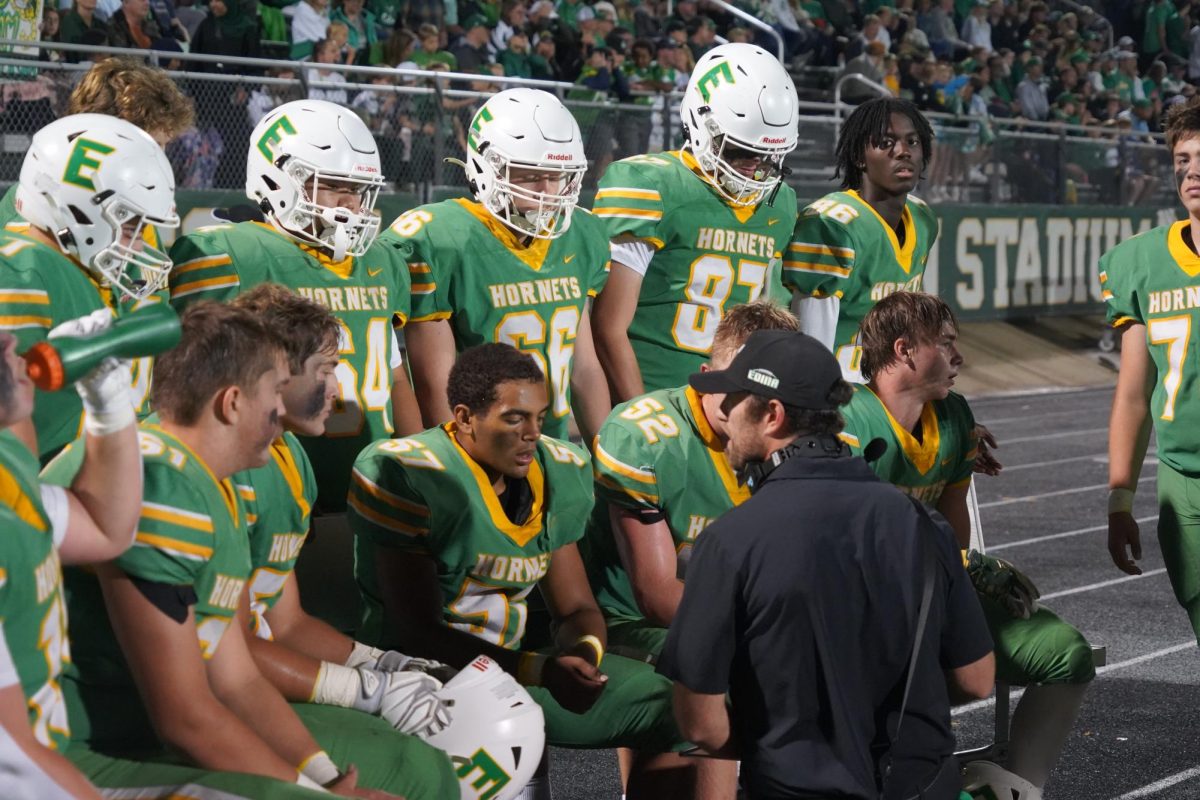
Given the athletic and mental demands of being a student athlete, EHS prioritizes socioemotional support for athletes.
Premier Sport Psychology, which offers psychologists specializing in improving athletic ability, is contracted with all Edina sports. Although EHS mandates that each sport have one session with the service, so athletes can learn about maintaining mental wellness while achieving optimal performance, Edina Football will hear from a representative a couple times this season.
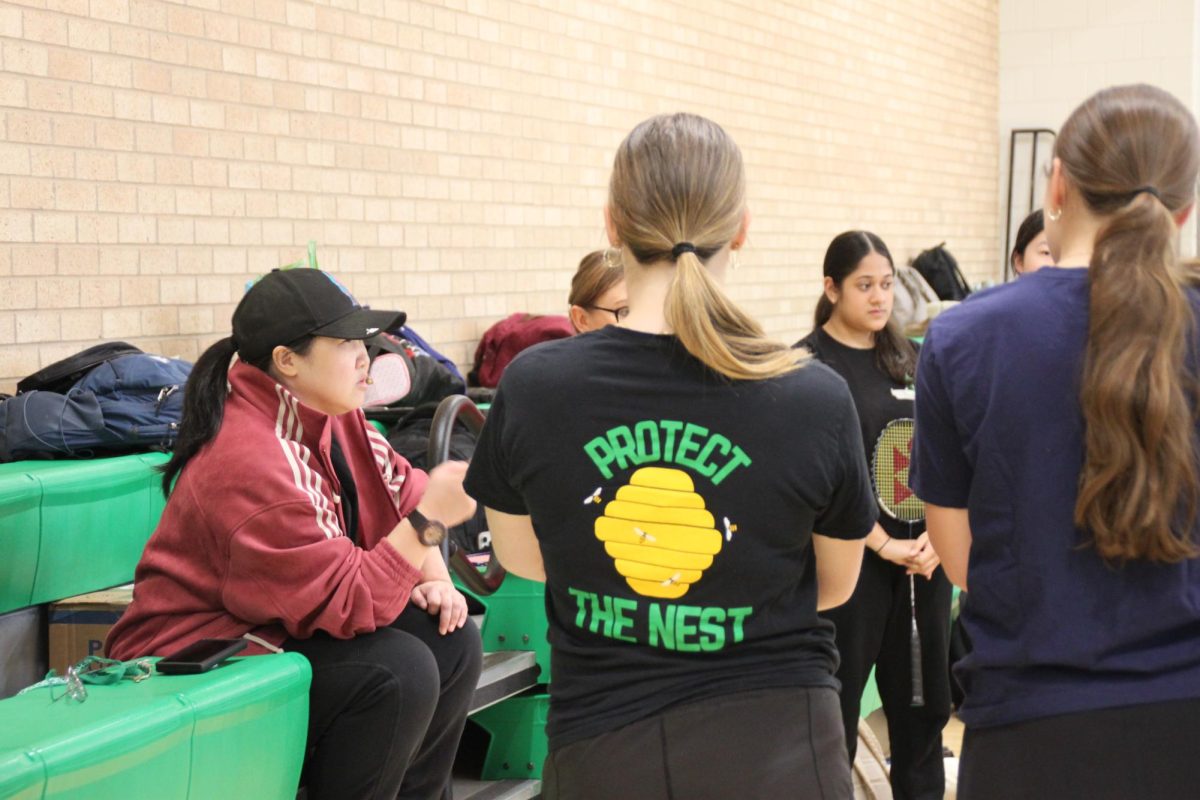
Edina sports also dedicate time to building team community, which in turn gives athletes a support system and creates a positive environment. Edina Volleyball holds meetings where players sit in a circle and discuss ways they want to improve the team dynamic. Likewise, the girls’ swim team holds a goal-setting meeting at the start of each season where they brainstorm characteristics their optimal swim team community would have.
Every other Monday, Football Head Coach Jason Potts runs Hornet Pride, an all-year activity where football players develop strategies to look after their mental health. Hornet Pride features discussion time and guest speakers, and Potts hopes the skills his athletes learn will ultimately be helpful in all pursuits of life.
“We spend a lot of time coming up with strategies,” he said. “One of them is our snap-back routine. So you might be feeling some stress… how do you snap back and be at your best?”
Even in small ways, Potts tries to let his athletes know that the program values their well-being; the game-plan extends outside of plays.
“We’re constantly monitoring them and making sure they’re feeling good,” he said. “We’re encouraging them to take care of their essentials, like sleep and nutrition and water, and if they’re not, we reach out for other resources, whether it’s a school counselor, school psychologist or maybe a one-on-one meeting.”
This piece was originally published in Zephyrus’ print edition on Oct. 2, 2025